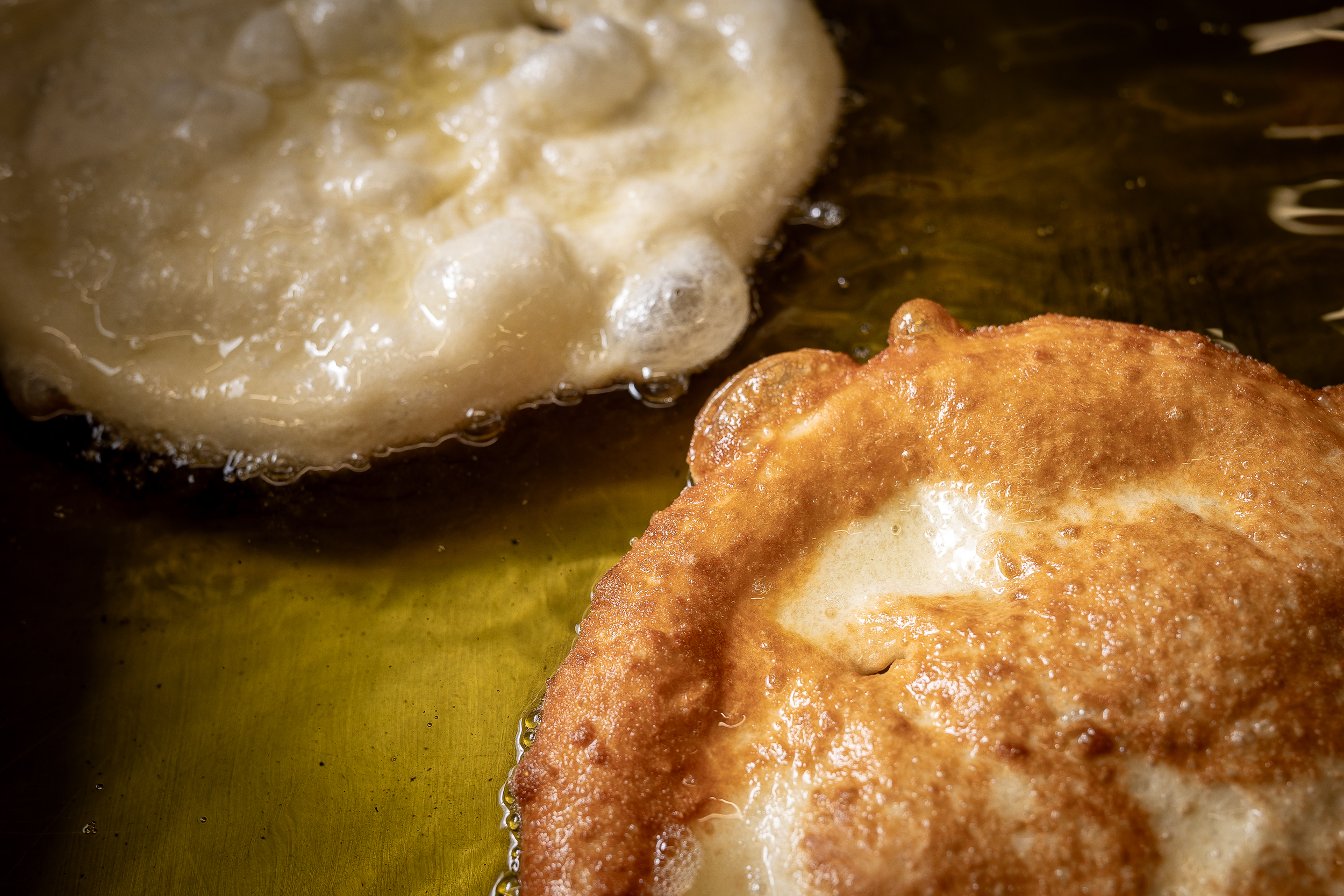
Lángos is one of Hungary’s most beloved street foods, combining crispy fried dough with rich, savory toppings that appeal to both locals and travelers. Often described as Hungary’s answer to deep-fried bread, lángos has grown far beyond its humble origins and now enjoys global popularity. Whether served simply with garlic and salt or topped with sour cream and cheese, this comforting dish delivers a satisfying blend of textures and flavors that has stood the test of time.
In this guide, you’ll discover what makes lángos special, its history, how it’s traditionally prepared, and why it continues to be a favorite at markets, festivals, and street food stalls across Europe and beyond.
The Origins of Lángos
Lángos traces its roots back centuries to rural Hungary, where it was originally baked in the residual heat of brick ovens used for making bread. The name “lángos” comes from the Hungarian word “láng,” meaning flame, reflecting how the dough was traditionally cooked near an open fire.
Over time, as cooking methods evolved, baking gave way to frying. The modern version of lángos is deep-fried in oil, resulting in a golden exterior and soft interior. This transformation made it quicker to prepare and easier to sell as street food, contributing to its widespread popularity.
Today, lángos is a staple at food stalls throughout Hungary, especially at summer festivals and outdoor markets. It has also spread to neighboring countries such as Slovakia, Austria, and Romania, each adding its own regional twist.

What Makes Lángos Unique?
The appeal of lángos lies in its simplicity and versatility. At its core, it’s made from a basic yeast dough consisting of flour, water, yeast, and salt. After the dough rises, it is shaped into flat rounds and fried until crisp and golden.
The magic happens with the toppings. Traditional lángos is brushed with garlic oil and sprinkled with salt, but modern variations can be far more elaborate. Its combination of crunchy exterior and fluffy interior provides a perfect base for both savory and sweet ingredients.
Unlike many other fried dough dishes, lángos strikes a balance that keeps it from feeling overly heavy. When prepared correctly, it is light, airy, and satisfying without being greasy.
Traditional and Popular Toppings
Lángos toppings range from simple to indulgent, making it adaptable to different tastes. While the traditional version remains a favorite, modern variations continue to expand the possibilities.
Classic Toppings
These are the most authentic and widely recognized options you’ll find in Hungary.
- Garlic oil or fresh garlic rubbed onto the surface
- Sour cream for a creamy contrast
- Grated cheese, often a semi-hard variety
- Salt for a simple, savory finish
Modern Variations
As lángos has gained international attention, creative toppings have emerged to suit diverse palates.
- Ham, sausage, or bacon
- Fresh vegetables such as tomatoes and ruccola
- Sweet options like Nutella
- Specialty cheeses and sauces for gourmet versions
These variations make lángos suitable for any time of day, from a hearty lunch to a satisfying dessert.

How Lángos Is Made
Preparing lángos at home requires only a handful of ingredients, but technique plays a crucial role in achieving the perfect texture. The dough must be soft and slightly sticky to ensure a light and airy result.
After allowing the dough to rise, it is divided into portions and stretched into flat discs. These discs are then carefully placed into hot oil and fried until golden brown on both sides. Proper oil temperature is essential; too hot, and the outside burns before the inside cooks, too cool, and the dough absorbs excess oil.
Once fried, the lángos is typically drained and immediately topped while still warm. This allows the flavors to blend and enhances the overall experience.
Tips for Enjoying Lángos
To fully appreciate lángos, timing and preparation make a difference. It’s best eaten fresh, right after frying, when the contrast between crispy and soft textures is at its peak.
- Eat it immediately while hot for the best texture
- Start with classic toppings before trying variations
- Pair it with a refreshing drink to balance richness
- Share with others to sample different topping styles
Because it is filling, even one serving can be quite satisfying, making it an ideal snack or quick meal.