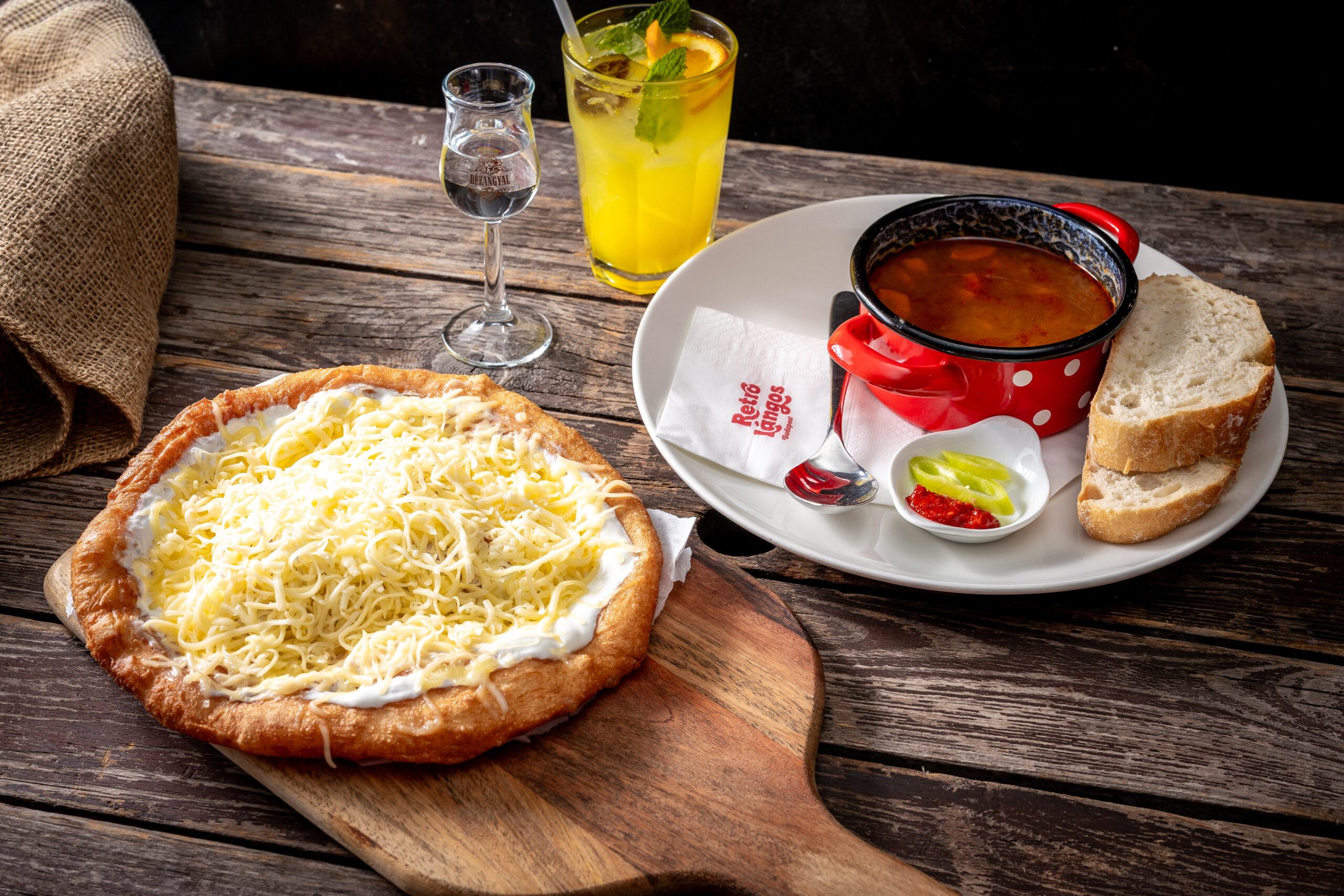
Hungarian cuisine is a rich tapestry of flavors, history, and cultural influences that have developed over centuries in the heart of Central Europe. Known for its bold use of spices, hearty ingredients, and comforting dishes, traditional Hungarian food reflects the country’s agricultural roots and diverse heritage. From slow-cooked stews to delicate pastries, Hungarian cooking offers something for every palate and remains a defining aspect of the nation’s identity.
At the core of Hungarian cuisine is paprika, a vibrant red spice made from ground peppers that ranges from sweet to spicy. It is more than just a seasoning; it is a symbol of Hungarian culinary tradition, bringing depth and warmth to countless dishes. Alongside paprika, ingredients like onions, garlic, potatoes, and various meats form the foundation of many traditional recipes.
In this blog, we explore some of the most iconic Hungarian dishes, their origins, and what makes them so beloved both in Hungary and around the world.
Classic Hungarian Dishes
Hungarian cuisine is famous for its comforting, rustic meals that are often cooked slowly to develop rich, layered flavors. These dishes have been passed down through generations and remain staples in Hungarian households.
Gulyás (Goulash)
Perhaps the most famous Hungarian dish, gulyás is a hearty soup or stew made with beef, potatoes, onions, and generous amounts of paprika. Contrary to many international versions, traditional goulash is more of a soup than a thick stew. It originated as a meal prepared by Hungarian shepherds, cooked over open fires in large cauldrons.
The slow simmering process allows the flavors to meld together beautifully, resulting in a deeply satisfying dish that is both nourishing and aromatic.
Pörkölt
Pörkölt is often confused with goulash but is thicker and more stew-like. It is typically made with beef, pork, chicken, or even game meats, cooked with onions, paprika, and sometimes tomatoes and peppers. Unlike goulash, pörkölt contains less liquid and is often served with nokedli, small Hungarian dumplings similar to German spaetzle.
Halászlé (Fisherman’s Soup)
Halászlé is a spicy fish soup traditionally prepared along the banks of the Danube and Tisza rivers. Made with freshwater fish such as carp and heavily seasoned with paprika, this dish is known for its vibrant red color and bold flavor. Each region has its own variation, making it a versatile and culturally significant meal.
Hearty Main Courses
Hungarian main courses often feature meat as the centerpiece, accompanied by filling side dishes. These meals are designed to be satisfying and are deeply rooted in rural traditions.
Töltött Káposzta (Stuffed Cabbage)
This beloved dish consists of cabbage leaves stuffed with a mixture of ground meat and rice, then simmered in a tangy sauerkraut-based sauce. It is especially popular during holidays and family gatherings, symbolizing comfort and togetherness.
Lángos
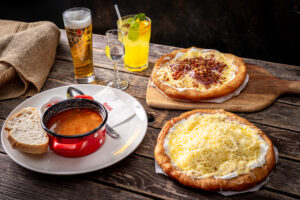
Lángos is a popular street food made from deep-fried dough, typically topped with sour cream, garlic, and cheese. Crispy on the outside and soft on the inside, it is a favorite snack at markets and festivals throughout Hungary.

Csirkepaprikás (Chicken Paprikash)
This dish highlights the importance of paprika in Hungarian cooking. Tender chicken is cooked in a creamy paprika-infused sauce, often served with nokedli. The balance of richness and spice makes it a standout example of traditional Hungarian flavor.
Traditional Side Dishes and Ingredients
Side dishes in Hungarian cuisine play a crucial role in complementing main courses and enhancing overall flavor combinations. Many of these sides are simple yet deeply satisfying.
- Nokedli: Soft egg dumplings commonly served with stews and sauces.
- Tarhonya: Small egg pasta often toasted and cooked like rice.
- Savanyúság: Pickled vegetables such as cucumbers and peppers that add acidity and balance.
- Krumplipüré: Creamy mashed potatoes, often served with meat dishes.
These accompaniments help create well-rounded meals that are both hearty and flavorful, reflecting Hungary’s agricultural abundance.
Hungarian Desserts and Sweets
Hungarian desserts are known for their richness and intricate preparation methods. Influenced by European baking traditions, these sweets often feature layers, fillings, and delicate textures.
Dobos Torte
Dobos torte is a classic Hungarian cake made with multiple layers of sponge cake and chocolate buttercream, topped with a caramel layer. It was created in the 19th century and remains a symbol of Hungarian pastry craftsmanship.
Chimney Cake (Kürtőskalács)
This popular treat is made by wrapping dough around a cylindrical spit, baking it over an open flame, and coating it in sugar. The result is a crispy, caramelized exterior and a soft, fluffy interior. It is often enjoyed at fairs and festivals.
Rétes (Strudel)
Hungarian strudel is a delicate pastry filled with ingredients such as apples, cherries, or sweet cottage cheese. The dough is stretched incredibly thin, resulting in a light and flaky texture.
Cultural Significance of Hungarian Cuisine
Traditional Hungarian food is more than just nourishment; it is a reflection of the country’s history, geography, and cultural identity. Many recipes have been preserved over generations, connecting modern Hungarians with their ancestors.
Meals are often enjoyed in a communal setting, emphasizing hospitality and togetherness. Whether it is a Sunday family lunch or a festive holiday gathering, food plays a central role in bringing people together.
Hungary’s location in Central Europe has also influenced its cuisine, incorporating elements from neighboring countries while maintaining its unique character. This blend of influences makes Hungarian food both distinctive and universally appealing.
Why You Should Try Traditional Hungarian Food
Exploring Hungarian cuisine offers a journey into a world of bold flavors, comforting textures, and rich culinary traditions. Whether you are enjoying a steaming bowl of gulyás or indulging in a slice of Dobos torte, each dish tells a story of heritage and craftsmanship.
For travelers, tasting traditional Hungarian food is an essential part of experiencing the country. For home cooks, recreating these recipes provides an opportunity to connect with a vibrant culinary tradition that has stood the test of time.
From savory stews to sweet pastries, Hungarian cuisine continues to captivate food lovers around the world. Its emphasis on quality ingredients, careful preparation, and bold seasoning ensures that every meal is both memorable and deeply satisfying.