Traditional Hungarian Desserts: A Sweet Journey Through Hungary
Traditional Hungarian desserts are known for their comforting flavors, generous use of pastry, fruit, poppy seeds, walnuts, chocolate, and creamy fillings. Hungary’s sweet traditions reflect influences from the Austro-Hungarian Empire, Ottoman cuisine, Central European baking, and local farming culture. From elegant café cakes in Budapest to rustic countryside strudels, Hungarian sweets offer something memorable for every traveler and food lover.
Many classic Hungarian desserts are closely connected to family celebrations, holidays, Sunday lunches, and café culture. Recipes are often passed from one generation to the next, with each household adding its own touch. Whether served warm with vanilla sauce, dusted with powdered sugar, or layered with rich cream, these desserts reveal why Hungarian cuisine is admired for its warmth and character.
Dobos Torte: Hungary’s Famous Layered Cake
Dobos torte, or Dobos torta, is one of the most recognizable traditional Hungarian desserts. Created in 1884 by Budapest confectioner József C. Dobos, this elegant cake consists of multiple thin layers of sponge cake filled with smooth chocolate buttercream. Its signature feature is the crisp caramel topping, usually cut into wedges and arranged decoratively on the cake.
The balance of light sponge, rich chocolate cream, and crunchy caramel makes Dobos torte especially appealing. It was revolutionary at the time because the buttercream helped preserve the cake for longer than many other pastries. Today, visitors can find it in historic Budapest confectioneries, where it is commonly enjoyed with coffee or tea.
Somlói Galuska: A Decadent Hungarian Trifle
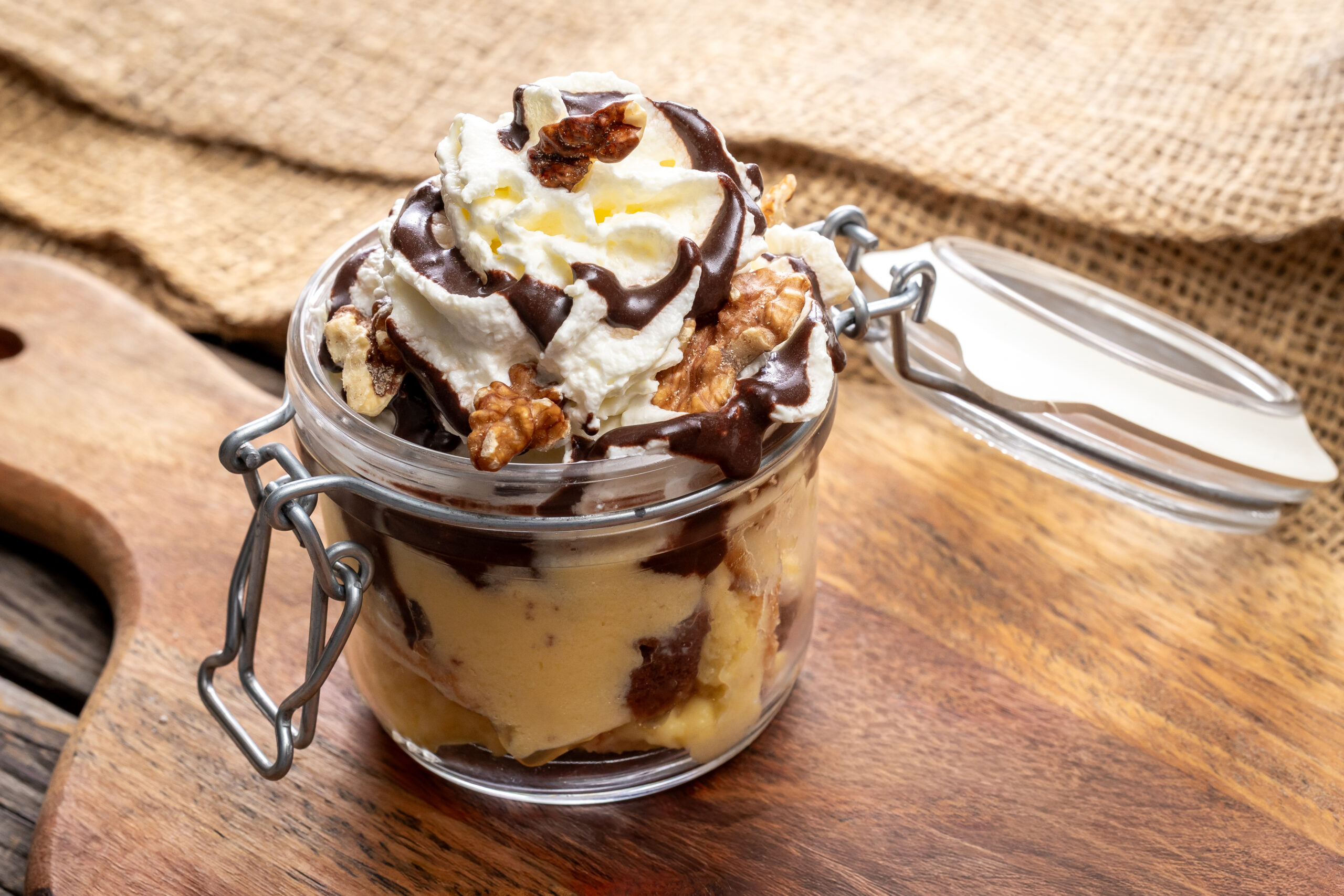
Somlói galuska is a beloved Hungarian dessert made from pieces of sponge cake layered with chocolate sauce, rum syrup, walnuts, raisins, and vanilla custard. It is usually topped with a generous swirl of whipped cream. The dessert is served in soft, spoonable portions rather than neat slices, making it feel indulgent and relaxed.
Although it is sometimes compared to an English trifle, Somlói galuska has a distinct Hungarian personality. The combination of rum, cocoa, walnuts, and custard creates a deep, comforting flavor. It is a popular choice in traditional restaurants and is often considered a must-try dessert for travelers seeking authentic Hungarian food.
Hungarian Strudel and Rétes
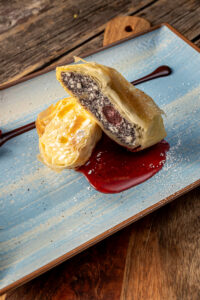
Hungarian strudel, known locally as rétes, is a thin, flaky pastry filled with sweet or savory ingredients. Sweet rétes is among the most traditional Hungarian desserts, and common fillings include apple, sour cherry, sweet cottage cheese, poppy seed, and walnut. The dough is stretched very thin before being rolled around the filling and baked until golden.
Apple rétes is particularly popular, often flavored with cinnamon and sometimes enriched with raisins. Sour cherry rétes provides a bright, tart contrast to the buttery pastry, while poppy seed and cottage cheese versions showcase ingredients that are central to Hungarian baking. Freshly baked rétes is best enjoyed warm, often with a light dusting of powdered sugar.
Kürtőskalács: The Iconic Chimney Cake
Kürtőskalács, widely called chimney cake in English, is one of Hungary’s most popular sweet street foods. The pastry is made by wrapping yeasted dough around a cylindrical spit, roasting it over heat, and coating it with sugar. As it bakes, the sugar caramelizes into a crisp, golden exterior while the inside remains soft and fluffy.
Traditional chimney cake is often finished with cinnamon, chopped walnuts, coconut, or cocoa powder. Modern vendors may add ice cream, fruit, chocolate, or cream fillings, but the classic version remains simple and delicious. Its hollow shape resembles a chimney, which explains the name. It is especially enjoyable during winter markets, festivals, and evening walks around Budapest.
Gundel Palacsinta: Hungarian Pancakes with a Luxurious Filling
Gundel palacsinta is a sophisticated Hungarian pancake dessert filled with ground walnuts, raisins, orange zest, and rum. The thin crêpe-style pancakes are folded or rolled, then covered with warm chocolate sauce. In some traditional presentations, the pancakes are flambéed with rum before serving.
This dessert was popularized by the renowned Gundel restaurant family and has become a classic of Hungarian restaurant cuisine. The walnut filling is aromatic and lightly sweet, while the chocolate sauce adds richness. Gundel palacsinta is an excellent example of how Hungarian desserts can be both comforting and refined.
Mákos Guba: Poppy Seed Bread Pudding
Mákos guba is a humble but deeply traditional Hungarian dessert made with sliced bread rolls, milk, sugar, and a generous amount of ground poppy seeds. The softened bread is layered or mixed with sweetened milk, then finished with poppy seeds and sometimes vanilla custard. It is especially associated with Christmas and winter family meals.
Poppy seeds are used extensively in Hungarian baking, particularly in festive pastries and desserts. Their mild nuttiness pairs beautifully with citrus zest, honey, and vanilla. Mákos guba may look simple, but its soft texture and nostalgic flavor make it a favorite for many Hungarians. It is a dessert that reflects home cooking at its most comforting.
Bejgli: A Christmas Classic with Walnut or Poppy Seed Filling
Bejgli is a rolled pastry traditionally served during the Christmas season in Hungary. The most common varieties are walnut bejgli, called diós bejgli, and poppy seed bejgli, called mákos bejgli. The pastry dough surrounds a dense, sweet filling flavored with sugar, lemon zest, spices, and sometimes raisins.
A well-made bejgli has a delicate marbled appearance, with a thin pastry shell and a rich, even filling. Hungarian families often bake several rolls before the holidays, and recipes can be a matter of great family pride. While bejgli is most closely associated with Christmas, some bakeries offer it throughout the year for visitors eager to taste this seasonal specialty.
Rákóczi Túró: Cottage Cheese and Apricot Elegance
Rákóczi túró is a beautiful Hungarian dessert bar made with a short pastry base, a sweet cottage cheese filling, apricot jam, and a decorative meringue topping. Despite its name, it was created by chef János Rákóczi rather than the famous Hungarian noble family. Its combination of tangy cottage cheese and fruity apricot makes it lighter than many cream-heavy cakes.
The dessert is often presented in square slices, with meringue piped in a lattice pattern over the apricot layer. It is a popular choice in Hungarian pastry shops because it looks elegant while still delivering familiar, comforting flavors. Those who enjoy cheesecake-like desserts will likely appreciate Rákóczi túró.
More Hungarian Sweets Worth Trying
Beyond the best-known classics, Hungary has many regional and seasonal desserts worth discovering. Visiting local bakeries, markets, cafés, and family-run restaurants can reveal pastries that do not always appear on international dessert lists. Look for these traditional favorites during your culinary exploration:
- Aranygaluska: Pull-apart sweet yeast dumplings coated in butter, sugar, and walnuts, usually served with vanilla custard.
- Krémes: A creamy vanilla custard slice layered between crisp sheets of pastry.
- Zserbó: A rich layered cake with walnut filling, apricot jam, and a chocolate glaze.
- Fánk: Hungarian doughnuts, especially popular during Carnival season and often served with apricot jam.
- Madártej: A light vanilla custard dessert topped with floating poached meringue “islands.”
Where to Enjoy Hungarian Food in Budapest
Budapest is an ideal city for tasting traditional Hungarian desserts, from grand historic cafés to neighborhood bakeries and market stalls. Pair a slice of Dobos torte or a serving of Somlói galuska with strong Hungarian coffee, then explore the city’s savory street-food traditions as well. For an authentic casual meal, Retro Lángos Budapest offers traditional, gluten-free, and vegan lángos at Bajcsy-Zsilinszky út 25. and Vécsey utca 3., conveniently near St. Stephen’s Basilica and the Hungarian Parliament.
The city’s food culture is especially rewarding because it combines formal café traditions with accessible everyday dishes. Families, tourists, and curious food lovers can easily build a day around Hungarian flavors, beginning with pastries at breakfast, enjoying hearty local dishes at lunch, and ending with a classic dessert in a welcoming café.

Conclusion
Traditional Hungarian desserts offer far more than a sweet ending to a meal. They tell stories of family traditions, holiday celebrations, historic cafés, and regional ingredients such as walnuts, poppy seeds, sour cherries, apples, and apricots. From chimney cake and strudel to Dobos torte and bejgli, every dessert brings a different taste of Hungary’s culinary heritage. If you are exploring Budapest, make time for these memorable sweets and visit Retro Lángos Budapest for an authentic Hungarian street-food experience alongside your dessert discoveries.