Get your bearings: Buda, Pest and the Danube
Budapest is easier to understand once you stop treating it as a single, uniform city. The Danube divides two distinct halves: hilly, residential Buda on the west bank and flatter, busier Pest on the east. Their union gives the Hungarian capital its particular rhythm. One afternoon can move from medieval lanes and broad river views to grand cafés, Art Nouveau façades and the late-night energy of the Jewish Quarter.
For a first visit, stay near the centre of Pest if you want to walk to restaurants, museums and nightlife, or choose District I on the Buda side for a quieter base near Castle Hill. The river is the visual thread between them. Cross it on foot at least once, ideally via the Chain Bridge, to appreciate how the Parliament, Castle District and bridges compose Budapest’s celebrated skyline.
Start with Budapest’s essential sights
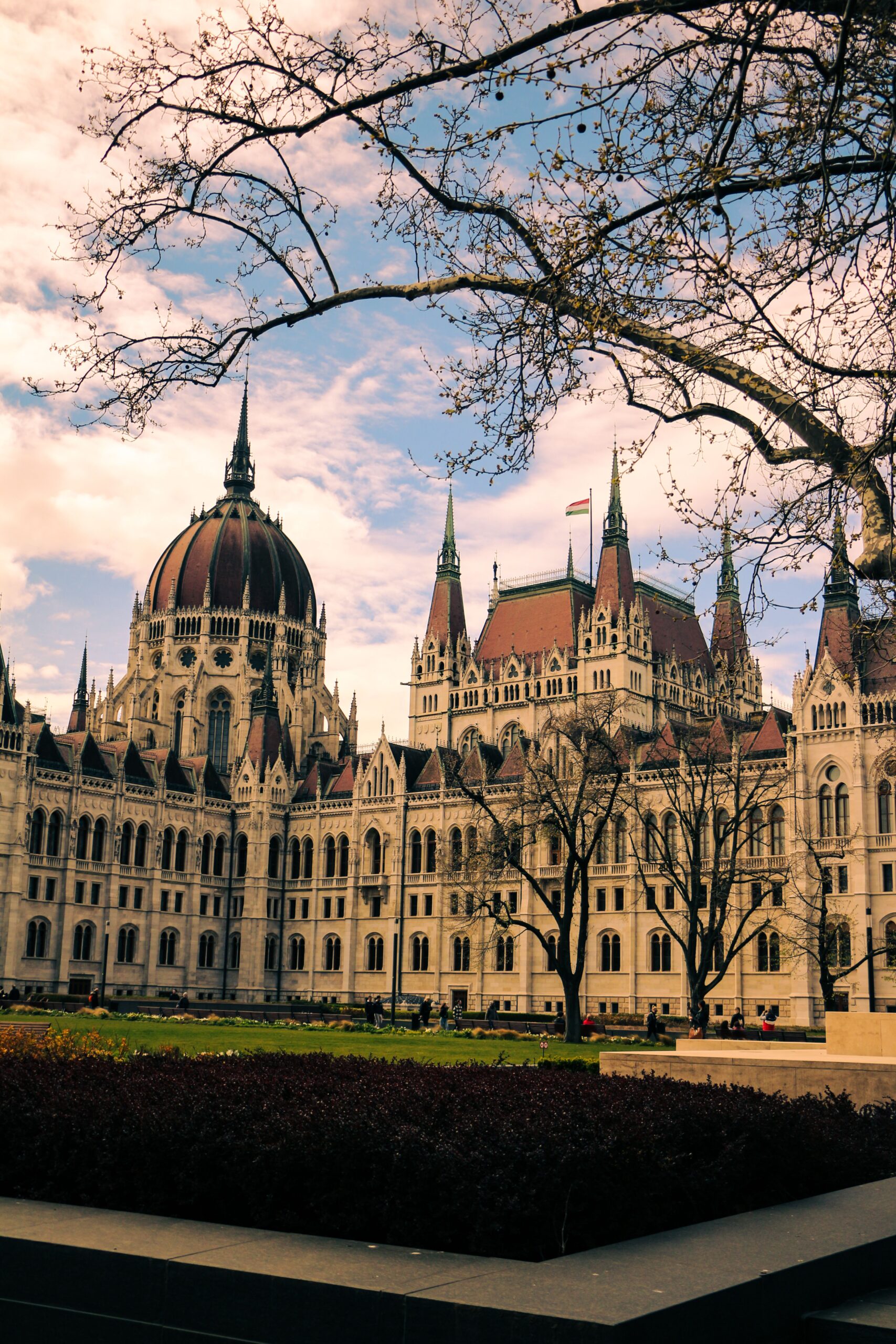
Budapest’s headline attractions deserve the attention they receive, especially on a short trip. Begin around the Hungarian Parliament Building, an immense neo-Gothic landmark on the Pest embankment. Guided visits are available, but even a walk along Kossuth Lajos tér and the riverfront makes clear why this is one of Europe’s most recognisable civic buildings.
Continue south through the city centre to St. Stephen’s Basilica, named for Hungary’s first king. Its dome remains a useful point of reference while exploring central Pest. Nearby streets hold a dense mix of coffee shops, shops and formal nineteenth-century architecture. For a wider itinerary, these Budapest sightseeing tips and lesser-known stops can help turn the standard route into a more measured day.
On the Buda side, take time for Castle Hill. The historic district contains Buda Castle, the medieval Matthias Church and the terraces of Fisherman’s Bastion. The latter is particularly popular at sunrise and sunset, but the surrounding streets are worth lingering in too. They are calmer than central Pest, with fragments of older Budapest appearing between carefully restored façades.
Make time for a thermal bath
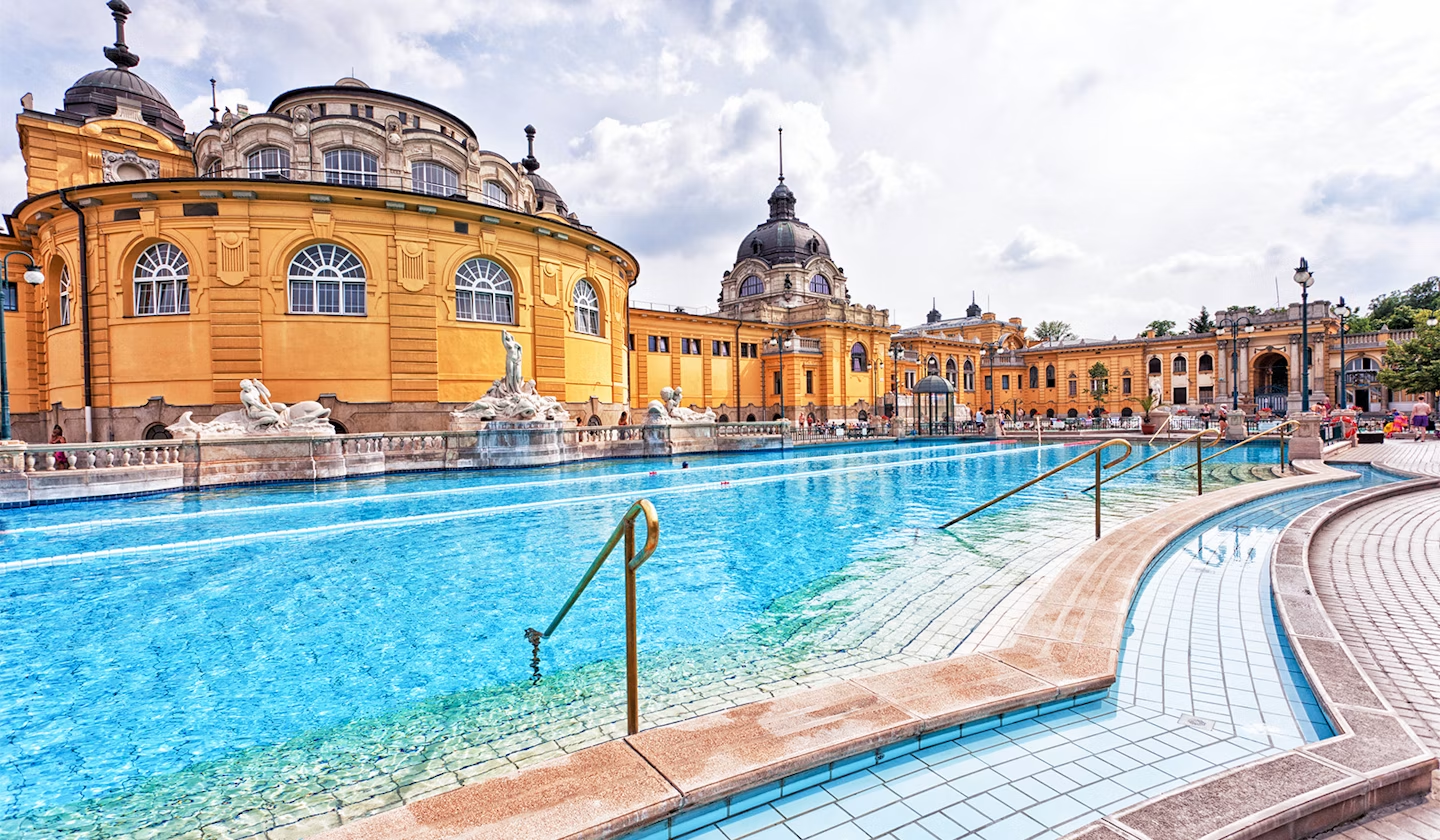
A Budapest tourist guide should leave room for bathing. The city sits on a network of thermal springs, and its bath culture is part of daily urban life as well as the visitor experience. Széchenyi Thermal Bath, in City Park, is known for its large outdoor pools and grand yellow Neo-Baroque setting. Gellért Thermal Bath, on the Buda side, is admired for its Art Nouveau interiors and decorative tilework.
Bath etiquette is straightforward, but it pays to check current opening hours, pool rules and ticket options before travelling across town. Bring swimwear and flip-flops, and remember that popular weekends can be crowded. A thermal bath visit works especially well after a day of walking: Budapest’s hills, cobbled streets and riverside boulevards cover more ground than they first appear to.
Walk beyond the postcard route
Andrássy Avenue provides one of the city’s best walks. This broad, tree-lined boulevard runs from the centre towards Heroes’ Square and City Park, passing elegant townhouses, embassies and the Hungarian State Opera along the way. The Millennium Underground runs below it, but walking reveals the avenue’s changing scale and details.
At the far end, City Park offers museums, open space and the Vajdahunyad Castle complex. It is a good change of pace after dense central streets. For a different perspective, climb Gellért Hill or head to one of the city’s designated lookout points. A guide to the best Budapest viewpoints is useful if you want a panorama without choosing blindly between the many riverside hills and terraces.
In Pest, the Jewish Quarter rewards unhurried exploration. Its narrow streets hold synagogues, small courtyards, design shops, bars and restaurants, though the district’s history deserves the same attention as its nightlife. Visit the Dohány Street Synagogue respectfully, then wander toward Kazinczy Street and nearby lanes rather than following only the loudest crowds.
What to eat in Budapest
Hungarian food is robust, often paprika-led and built for sharing. Start with goulash, a soup or stew of meat, vegetables and paprika rather than the thick sauce some visitors expect. Chicken paprikash, usually served with soft dumplings, is another classic. In colder months, try bean soup, stuffed cabbage or pörkölt, a slow-cooked meat stew.
The Great Market Hall near Szabadság híd is useful for seeing the everyday ingredients of Hungarian cooking: paprika, sausages, pickles, seasonal produce and cheese. It can be busy, particularly around lunchtime, but remains a practical stop if you want to understand the local pantry. For a closer look at market dishes and shopping choices, consult this guide to what to eat at Budapest’s Great Market Hall.
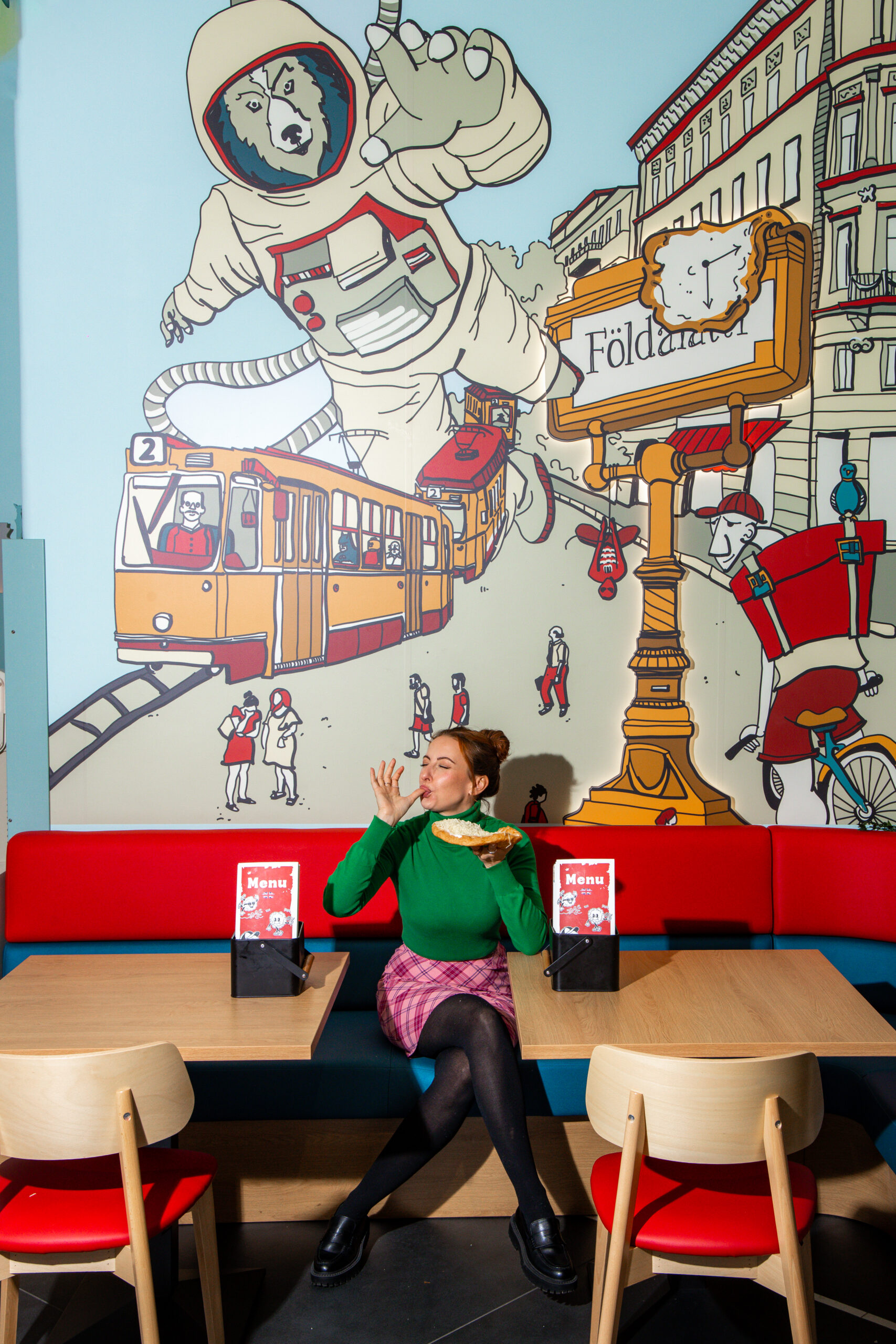
Lángos is the essential street-food detour. The fried dough is traditionally served with garlic, sour cream and grated cheese, although toppings now range well beyond the classic version. Near St. Stephen’s Basilica and the Hungarian Parliament, Retro Lángos Budapest has locations at Bajcsy-Zsilinszky út 25. and Vécsey utca 3., serving traditional lángos alongside gluten-free, vegan and plant-based options. It is a convenient choice for families and for travellers looking for a quick Hungarian meal between major sights.
Getting around without wasting time
Budapest has an extensive public transport network of metro lines, trams, buses and suburban rail services. The metro is efficient for longer hops, while trams are often more scenic. Tram 2 follows the Pest riverbank, passing many of the city’s best-known views, and tram 4/6 runs frequently along the Grand Boulevard, making it useful after dinner or a night out.
Buy and validate the correct ticket before travelling, or use an appropriate travel pass if you expect to make several journeys in a day. Ticket checks are common, especially at metro entrances. The city is highly walkable in central districts, but a little planning saves tired legs; this practical overview of Budapest public transport tickets, maps and travel advice covers the system in more detail.
Use licensed taxis or a reputable ride-hailing service when public transport is less convenient, particularly late at night. Avoid informal taxi offers around transport hubs. Central Budapest is generally compact, so assess a route on foot before automatically taking a car.
Plan around the seasons and the city’s pace
Spring and early autumn are excellent times for a Budapest city break: outdoor terraces are active, parks are pleasant and walking is comfortable. Summer brings long evenings, festivals and a lively riverfront, along with higher temperatures and larger crowds. Winter has its own appeal, especially around Christmas markets and steaming outdoor pools, though daylight is limited and Castle Hill can feel sharply cold.
Book major attractions and baths ahead during busy periods, particularly if your schedule is tight. Leave unplanned time, too. Budapest works best when the formal landmarks are balanced with slower moments: a coffee in a side street, a Danube promenade at dusk, a plate of Hungarian food and a final walk across a bridge as the city lights come on.