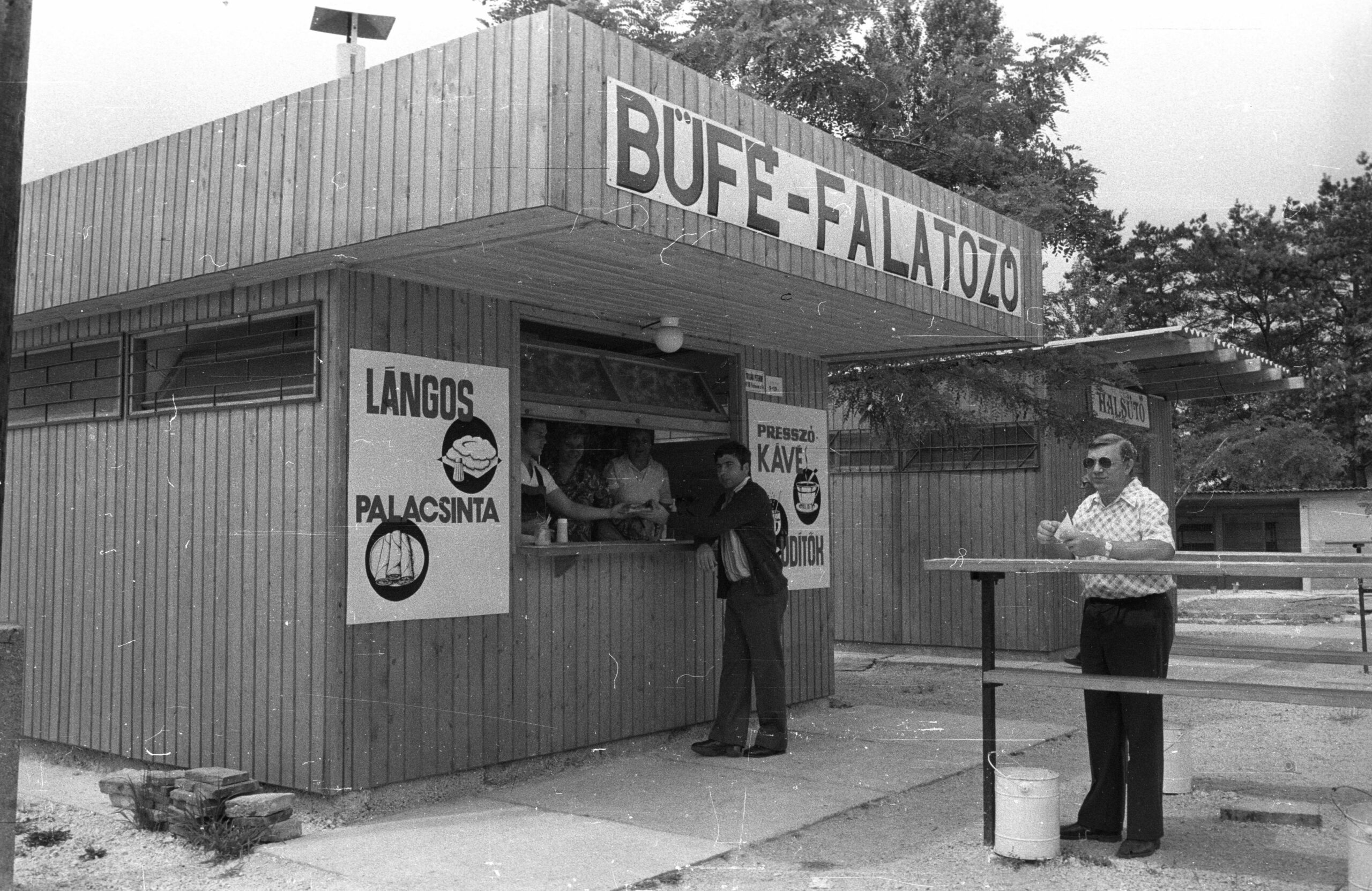
Lángos has come a long way to become one of the most beloved dishes of Hungarian cuisine. Once a simple bread made from leftover dough, today it represents tradition, street food culture, and a true gastronomic experience. Its story is deeply rooted in everyday Hungarian life – and closely connected to the recent revival that has brought lángos back into the spotlight.
The Origins of Lángos – From the Oven to the Fryer
The roots of lángos go back to rural Hungarian kitchens. Originally, it was not deep fried at all. It was made from leftover bread dough and baked near the flames of wood-fired ovens while bread was being prepared. This is where its name comes from: the Hungarian word “láng” means flame.
This early version was closer to a thick flatbread or rustic loaf. Deep-frying only became common much later, in the first half of the 20th century, when oil fryers became more widely available. From the 1940s onward, lángos gradually evolved into the form we know today:
crispy on the outside, soft on the inside, quick to prepare, and deeply satisfying.
Markets, fairs, beaches, and summer festivals quickly made it a staple. For many Hungarians, lángos is inseparable from memories of Lake Balaton, childhood summers, and long, carefree days.
Classic Flavors and New Directions
Traditional lángos toppings remain iconic: garlic oil, sour cream, and grated cheese. For generations, this combination has defined what “real” lángos means.
Over time, however, new interpretations appeared. Savory toppings were joined by sweet versions, followed by more creative and
even internationally inspired combinations. Lángos slowly moved beyond being just a quick snack and became a dish with its own culinary identity.
The Lángos Revival – Why Is It So Popular Again?
In recent years, lángos has entered a new era. More and more places now focus on quality ingredients, thoughtful preparation, and a clear concept. This revival is no coincidence.
Guests today are looking for nostalgia and quality at the same time. Familiar flavors, prepared in a way that meets modern expectations. Lángos does exactly that: it is simple yet distinctive, traditional yet easy to reinterpret.
For visitors to Budapest, it has become especially appealing. Easy to understand, often eaten by hand, and deeply connected to local culture, lángos has earned its place as one of Budapest’s must-try street food experiences.

The Story of Retro Lángos Budapest
The story of Retro Lángos Budapest began with three different paths coming together. What connected the three owners – Ádám Sóti, Dániel Varga and Krisztián Gál – was a shared respect for lángos and a belief that even the simplest food deserves care, consistency, and quality.
For Ádám Sóti, Retro Lángos Budapest was a bold decision – stepping out of familiar territory and believing that a seemingly simple dish could carry real value and long-term potential.
Dániel Varga brought with him knowledge and mindset from a family-run lángos business, where quality and respect for hard work were fundamental values.
Krisztián Gál came from the world of hospitality, adding the perspective that a great lángos is not only about taste, but about the full experience – from service to atmosphere.
Step by step, Retro Lángos Budapest was built through experience, experimentation, long working hours, and a clear intention: to offer the same reliable quality every single time.
Mission and Philosophy
The goal of Retro Lángos Budapest was never to reinvent lángos, but to do it right. Freshly made, generously topped, without unnecessary extras. While new flavor combinations have found their place on the menu, the foundation has always remained the same: simplicity, consistency, and care.
Whether for locals or visitors discovering Hungarian street food for the first time, the mission is clear: to deliver an authentic lángos experience.
A Bite of Experience
Lángos is at its best when it arrives hot and crispy. Some eat it by hand, others prefer a knife and fork – here are no rules. What matters is enjoying it your own way.
Today, lángos represents both past and present. A dish that connects generations and continues to prove that the simplest things often leave the strongest impressions.