Discovering Hungarian Cuisine
Hungarian cuisine is one of Central Europe’s most memorable culinary traditions, known for its comforting flavors, generous portions, aromatic spices, and deep connection to local history. From slow-cooked stews and rich soups to crispy street food and delicate pastries, food in Hungary reflects influences from the Ottoman Empire, Austria, the Balkans, and neighboring Slavic regions. Yet Hungarian cooking has maintained a distinctive identity built around paprika, seasonal ingredients, meat, dairy, and traditional cooking methods.
Visitors to Hungary often discover that local food is much more varied than the famous goulash. Hungarian cuisine includes hearty countryside dishes, elegant café desserts, fresh market produce, and quick snacks enjoyed on busy Budapest streets. Whether you are exploring historic neighborhoods, visiting rural wine regions, or spending a weekend in the capital, tasting traditional Hungarian food is an essential part of the experience.
The Essential Flavors of Hungarian Food
Paprika and Traditional Seasonings
Paprika is the defining spice of Hungarian cuisine. Made from dried and ground peppers, it appears in many forms, from sweet and mild to hot and smoky. Hungarian paprika gives dishes their recognizable red color and warm, earthy flavor. It is commonly added to stews, soups, sauces, meat dishes, and even some snacks. High-quality paprika is not merely a garnish; it is a central ingredient that shapes the flavor profile of a meal.
Other frequently used ingredients include garlic, onions, caraway seeds, black pepper, dill, parsley, sour cream, and lard. These ingredients create a cuisine that is rich but balanced, often combining savory meat or vegetables with tangy dairy products and fresh herbs. Hungarian cooks traditionally build flavor slowly, beginning with onions cooked until soft and sweet before adding paprika, stock, vegetables, or meat.
Comforting Ingredients and Seasonal Cooking
Potatoes, cabbage, beans, mushrooms, peppers, tomatoes, and root vegetables are staples of Hungarian kitchens. Pork is especially popular, although beef, chicken, duck, goose, fish, and game also play important roles. Sour cream, known locally as tejföl, is widely used to add creaminess and a gentle acidity to soups, sauces, and baked dishes. Fresh bread is another essential accompaniment, perfect for soaking up the flavorful juices of stews and soups.

Classic Hungarian Dishes to Try
Gulyás, or Hungarian goulash, is perhaps the country’s best-known dish. Despite being called a stew in many countries, traditional gulyás is closer to a substantial soup. It usually contains beef, onions, paprika, potatoes, carrots, and small dumplings or noodles. It was originally associated with cattle herders and has become a symbol of Hungarian hospitality. A well-made bowl is warming, fragrant, and satisfying without being excessively heavy.
Pörkölt is another classic paprika-based dish, but it is thicker than gulyás and served more like a stew. It can be prepared with beef, pork, chicken, or other meats and is often paired with nokedli, small soft dumplings similar to spaetzle. Chicken paprikash, or paprikás csirke, is one of the most beloved versions of this style of cooking. Tender chicken is simmered in a paprika sauce and finished with sour cream for a smooth, luxurious texture.
Főzelék offers a lighter but equally traditional side of Hungarian home cooking. This vegetable-based dish falls somewhere between a soup and a stew, often made with lentils, peas, spinach, squash, cabbage, or beans. It is commonly served with fried eggs, sausages, or meat patties. Főzelék demonstrates that Hungarian cuisine is not only about meat-heavy meals; vegetables have always had an important place on local tables.
- Gulyás: a paprika-rich beef and vegetable soup.
- Pörkölt: a thick Hungarian stew, often served with dumplings.
- Chicken paprikash: chicken in a creamy paprika sauce.
- Halászlé: spicy fisherman’s soup, especially popular near rivers and lakes.
- Töltött káposzta: stuffed cabbage leaves filled with meat and rice.
- Rakott krumpli: layered potatoes baked with eggs, sausage, and sour cream.
Hungarian Street Food and Everyday Favorites
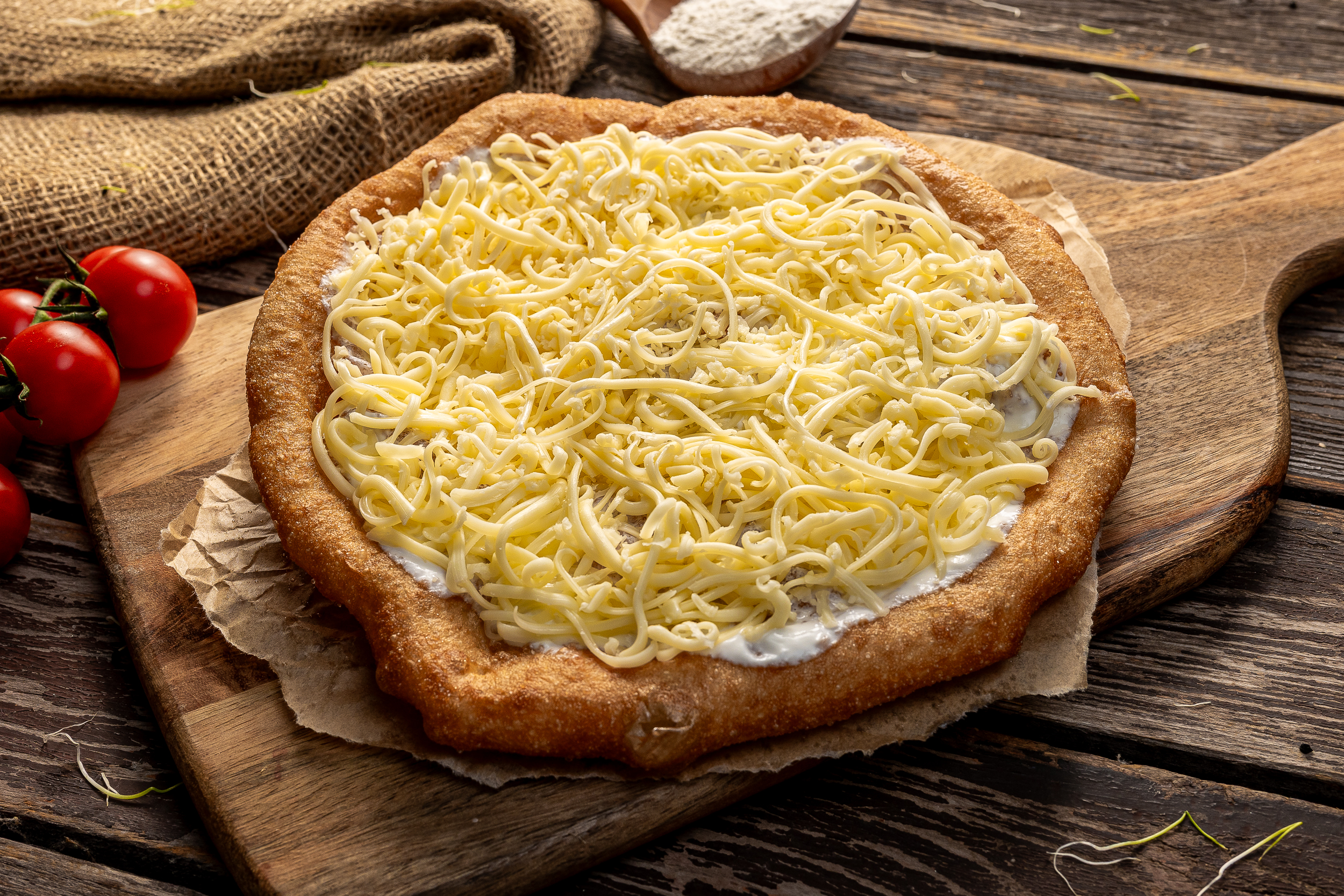
Hungarian street food is ideal for travelers who want traditional flavors in a relaxed, affordable format. The most famous example is lángos, a deep-fried flatbread usually made from a yeast dough. It is crispy on the outside, soft inside, and traditionally topped with garlic, sour cream, and grated cheese. Modern variations may include ham, sausage, vegetables, spicy toppings, or sweet ingredients, making it a flexible snack for many tastes.
For an authentic lángos experience in central Budapest, Retro Lángos Budapest is a popular choice, with locations at Bajcsy-Zsilinszky út 25. and Vécsey utca 3. The venues are close to St. Stephen’s Basilica and the Hungarian Parliament, making them convenient for tourists and families exploring the city. In addition to traditional options, Retro Lángos Budapest offers gluten-free and vegan lángos, helping more visitors enjoy this iconic Hungarian street food.
Other everyday favorites include kolbász, Hungarian sausage seasoned with paprika and garlic, as well as pogácsa, small savory pastries often made with cheese, potato, or cracklings. Markets, bakeries, and casual restaurants are excellent places to try these foods. A visit to Budapest’s Great Market Hall can be especially rewarding for travelers interested in local ingredients, cured meats, spices, pickles, and freshly prepared snacks.

Hungarian Desserts and Café Culture
Hungarian desserts are an important part of the country’s culinary appeal. Many recipes reveal the influence of Austro-Hungarian café culture, combining pastry skills with rich fillings, nuts, fruit, chocolate, and poppy seeds. Dobos torta is one of the most recognizable Hungarian cakes, made with layered sponge, chocolate buttercream, and a crisp caramel topping. It is elegant, indulgent, and widely available in traditional confectioneries.
Another popular dessert is kürtőskalács, often called chimney cake. This sweet pastry is wrapped around a rotating spit, baked until golden, and coated in sugar. It may be finished with cinnamon, walnuts, coconut, or cocoa. While its roots are connected to the Hungarian-speaking regions of Transylvania, it has become a familiar sight at festivals and street food stalls throughout Hungary.
Hungarian cafés are ideal places to slow down between sightseeing stops. Alongside coffee and cakes, visitors may find strudel filled with apple, cherry, cottage cheese, or poppy seed. Gerbeaud cake, with layers of pastry, apricot jam, walnuts, and chocolate glaze, is another enduring favorite. These desserts show the refined side of Hungarian cuisine and provide a delicious contrast to the country’s hearty savory dishes.
Drinks to Pair with Hungarian Meals
Hungary has a long and respected wine tradition. Tokaji, a sweet wine from the Tokaj region, is internationally famous and often enjoyed with desserts, cheese, or foie gras. Dry white wines from areas around Lake Balaton and volcanic regions such as Somló also deserve attention. Red wine lovers may enjoy Egri Bikavér, known as Bull’s Blood of Eger, a full-bodied blend with a historic reputation.
For something stronger, pálinka is Hungary’s traditional fruit brandy. It can be made from plum, apricot, pear, cherry, or other fruits and is usually served in small glasses. It is often offered as a welcoming drink or enjoyed after a meal. Non-alcoholic options include mineral water, fruit syrups, herbal teas, and coffee, which remains central to Hungary’s social and café culture.
Why Hungarian Cuisine Is Worth Exploring
Hungarian cuisine offers more than a list of famous dishes. It tells a story of regional agriculture, family traditions, migration, trade, and hospitality. Meals are often designed to be shared, whether it is a pot of gulyás served at a family table, a plate of chicken paprikash in a neighborhood restaurant, or a fresh lángos enjoyed while walking through Budapest.
The best way to experience Hungarian food is to combine classic restaurant meals with market visits, bakeries, cafés, and street food stops. Try familiar dishes alongside lesser-known specialties, ask about regional ingredients, and make time for dessert. If you are exploring Budapest and want a quick taste of a beloved local favorite, visit Retro Lángos Budapest for authentic Hungarian lángos in a convenient central location.