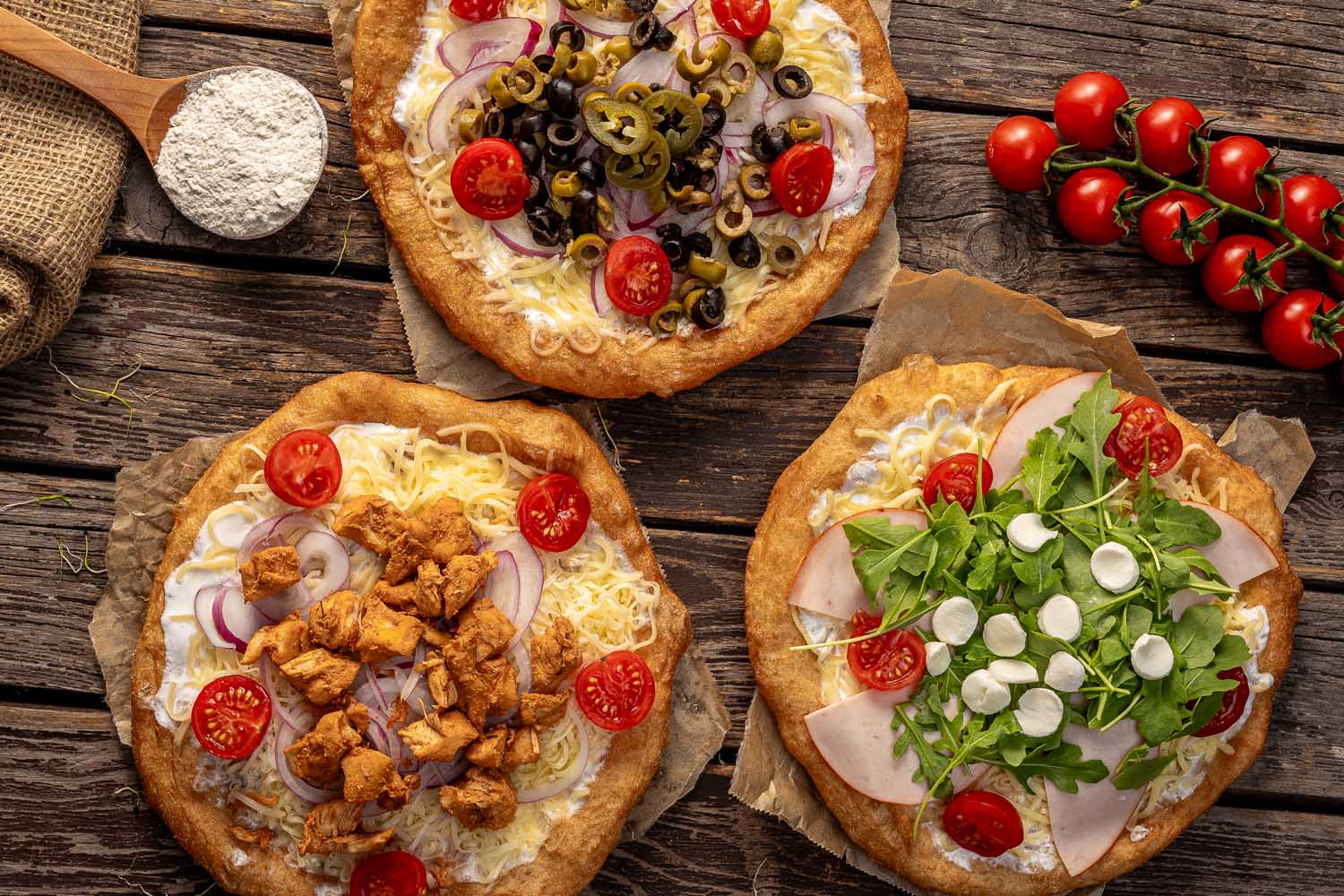
Lángos is one of Hungary’s most beloved street foods, a deep-fried flatbread that has captured the hearts of locals and travelers alike. With its crispy exterior and soft, airy interior, it is often topped with garlic, sour cream, and cheese, creating a rich and satisfying dish. While today it is commonly associated with festivals, markets, and food stalls, the history of lángos stretches back centuries, rooted in rural traditions and shaped by cultural and economic changes. Understanding the origins and evolution of lángos offers insight not only into Hungarian cuisine but also into the broader story of Central European food culture.
The story of lángos is closely tied to the history of breadmaking in Hungary. Bread has long been a staple in Hungarian households, and before modern ovens became widespread, baking bread was a labor-intensive process typically done in large batches once a week. The dough prepared for bread often yielded small leftover portions, which families used creatively rather than wasting. It is from these humble beginnings that lángos emerged.
Origins of Lángos in Rural Hungary
The word “lángos” is derived from the Hungarian word “láng,” meaning flame. This etymology reflects the earliest method of cooking the dish. Historically, lángos was not deep-fried but baked in front of an open flame or inside a wood-fired oven. Families would place flattened pieces of leftover dough close to the heat source while baking bread, resulting in a quick and simple meal.
In rural communities, this practice was especially common. Bread ovens retained heat even after the main loaves were removed, making them ideal for cooking smaller pieces of dough. Lángos served as a practical and efficient way to feed families without requiring additional ingredients or extensive preparation.

From Oven-Baked to Deep-Fried
The transition from oven-baked lángos to the deep-fried version known today occurred much later. As cooking technologies evolved and access to cooking oil became more widespread, frying became a popular method for preparing food. Deep-frying transformed lángos into a crispier, richer dish that appealed to changing tastes and urban lifestyles.
This shift marked a significant turning point in the history of lángos. What was once a simple byproduct of breadmaking became a standalone dish, gaining recognition as a unique culinary creation rather than merely a practical solution to leftover dough.
Evolution into a Popular Street Food
By the 20th century, lángos had firmly established itself as a popular street food in Hungary. Vendors began selling freshly fried lángos at markets, fairs, and public gatherings, where it quickly became a favorite among locals. Its affordability, portability, and satisfying flavor made it an ideal snack for people on the go.
The rise of street food culture in Hungary played a crucial role in elevating lángos from a rural tradition to a national icon. Its presence at community events and bustling marketplaces helped solidify its identity as a symbol of Hungarian culinary heritage.
Traditional and Modern Toppings
One of the defining features of lángos is its versatility. While the classic version is topped with garlic, sour cream, and grated cheese, countless variations have emerged over time. Vendors and home cooks alike have experimented with both savory and sweet toppings, reflecting changing tastes and culinary creativity.
Cultural Significance of Lángos
Lángos is more than just a dish; it is a cultural symbol that represents tradition, community, and comfort. For many Hungarians, eating lángos evokes memories of childhood, family gatherings, and summer vacations by Lake Balaton, where it is a staple food sold at beachside stalls.
The dish also reflects Hungary’s agricultural heritage. Its reliance on simple ingredients such as flour, yeast, water, and oil underscores the resourcefulness of rural communities. Over time, lángos has become a culinary link between past and present, preserving traditional techniques while adapting to modern tastes.
Lángos Beyond Hungary
As Hungarian communities spread across Europe and beyond, lángos traveled with them. Today, it can be found in neighboring countries such as Slovakia, Romania, and Austria, as well as in international food markets and festivals. Each region has added its own twist, contributing to the dish’s rich and diverse legacy.
Global interest in street food has further boosted the popularity of lángos. Food enthusiasts seeking authentic and unique culinary experiences are drawn to its history and flavor, making it a recognizable name in the world of international cuisine.

The Modern Revival of Lángos
In recent years, lángos has experienced a revival, particularly among younger chefs and food entrepreneurs. Many are reimagining the traditional dish with gourmet ingredients and innovative presentations. This modern approach has introduced lángos to new audiences while maintaining its cultural roots.
Restaurants and food trucks now offer upscale versions featuring artisanal cheeses, specialty meats, and creative sauces. These reinterpretations highlight the adaptability of lángos and its potential as a canvas for culinary experimentation.
Conclusion: A Timeless Hungarian Classic
The history of lángos is a testament to the ingenuity and adaptability of Hungarian cuisine. From its origins as a simple byproduct of breadmaking to its status as a beloved street food and cultural icon, lángos has undergone a remarkable transformation. Its enduring appeal lies in its simplicity, versatility, and deep connection to tradition.
As it continues to evolve and gain international recognition, lángos remains a powerful symbol of Hungary’s culinary heritage. Whether enjoyed in its traditional form or as a modern reinterpretation, it offers a delicious glimpse into the past while embracing the possibilities of the future.