Start with the city’s rhythm, not a checklist
Budapest rewards travellers who leave room for detours. The Danube gives the city an obvious structure, dividing hilly Buda from flatter, busier Pest, but the most satisfying days are rarely spent rushing between landmarks. Build a loose route around one or two major sights, then allow time for a coffee, a courtyard, a market stall or an unplanned walk along the river.
For first-time visitors, it helps to think in neighbourhoods. Pest is where many visitors sleep, eat and go out, with the Basilica, Parliament, Jewish Quarter and central shopping streets close together. Buda is quieter and greener, with Castle Hill, the Fisherman’s Bastion and residential slopes that feel far removed from central Pest. A well-planned one-day Budapest itinerary can help with the essentials, but do not underestimate how much time the city’s hills, queues and café stops can take.
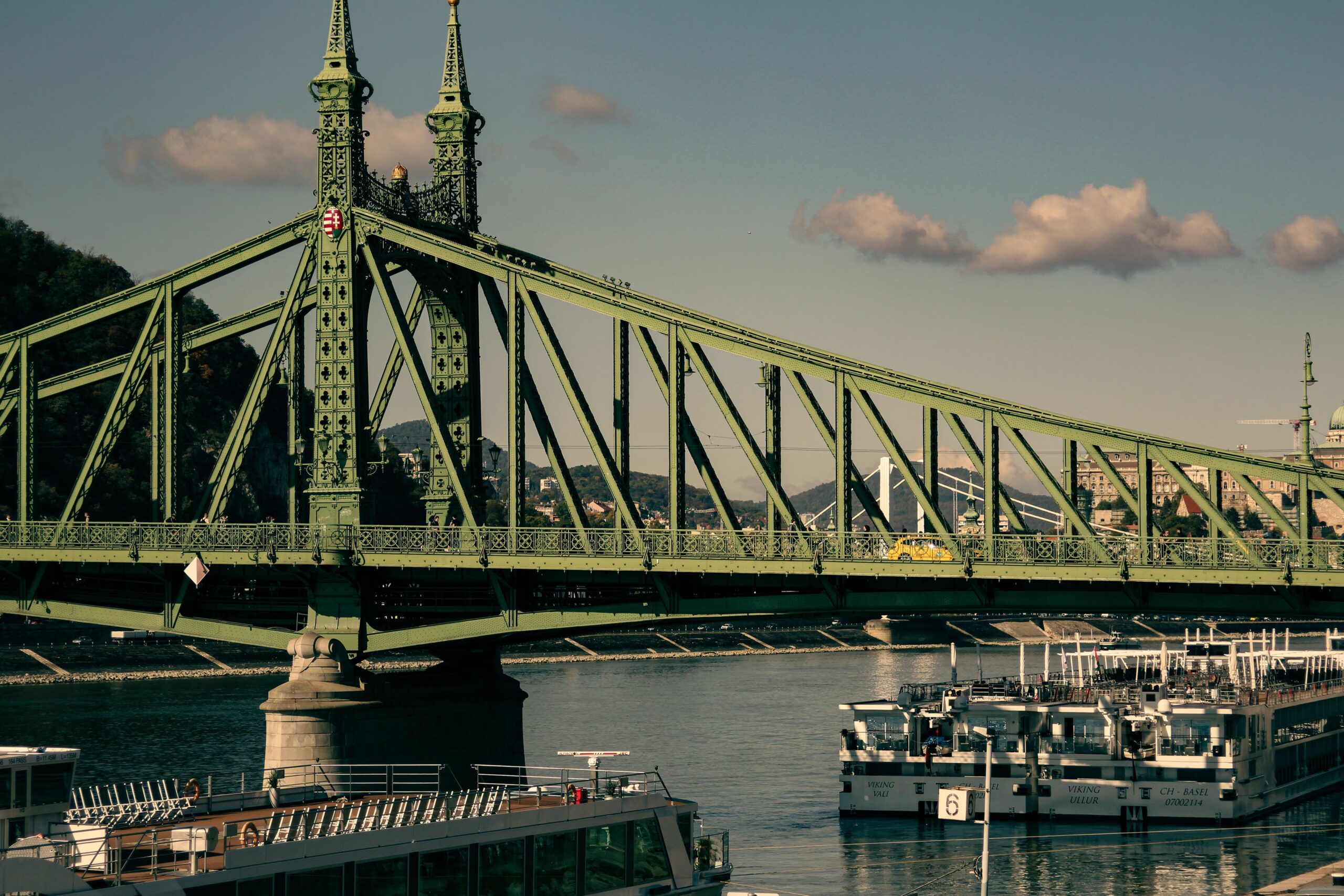
One of the best Budapest local tips is simple: cross the Danube more than once. See the Parliament from the Buda side in late afternoon, then return to Pest after dark, when bridges and riverfront buildings are illuminated. The views are free, and they reveal why the riverside remains the city’s most memorable walk.
Use public transport like a resident
Budapest is highly walkable in the centre, yet public transport makes longer distances much easier. The metro, trams, buses and trolleybuses work as one city network, and trams are especially useful for sightseeing. Tram 2 follows the Pest embankment with fine views across the Danube, while tram 4 and 6 run along the Grand Boulevard and are practical late into the evening.
Buy the correct ticket or travel pass before boarding and validate single tickets as required. Ticket inspectors do check, particularly on the metro. If you are using a paper single ticket, keep it until the journey is finished; changing lines can require another ticket unless you have a pass or a ticket designed for transfers. For routes, current disruptions and ticket options, consult a reliable Budapest public transport guide before setting off.
The historic M1 metro, known locally as the földalatti, is worth riding even if it is not the fastest route. Its compact yellow trains and small stations run beneath Andrássy Avenue, connecting the city centre with Heroes’ Square and City Park. Escalators are not universal in older stations, so travellers with prams, heavy luggage or limited mobility should check station access in advance.
- Use trams for scenic cross-city journeys and metros for speed.
- Stand to the right on escalators so people in a hurry can pass on the left.
- Download an offline map before heading into Buda’s hillier districts.
- Keep an eye on your belongings in packed vehicles and around major stations.
Pay in forints and keep small purchases practical
Hungary uses the forint, not the euro. Card payment is common in Budapest, including in many cafés, restaurants and shops, but having some cash remains useful for smaller purchases, market stands and situations where card terminals are temporarily unavailable. Avoid exchanging money at airport desks or visibly poor-rate exchange counters near major tourist streets if you have alternatives.
When paying by card, choose to be charged in Hungarian forints rather than accepting dynamic currency conversion in your home currency. Your bank or card provider will usually offer a better exchange rate. At restaurants, check the bill carefully: a service charge may already be included. If it is not, leaving a tip for good service is customary, though the amount is a personal decision rather than a rigid rule.
Budapest can suit many different budgets, but costs shift sharply between tourist-heavy streets and ordinary neighbourhood cafés. A little research goes a long way; this overview of Budapest travel costs and money-saving tips is useful for planning daily spending without turning every choice into a calculation.
Eat beyond the obvious tourist menu
Traditional Hungarian food is hearty, paprika-rich and often best approached in stages rather than all at one enormous meal. Goulash is a soup in its classic form, while pörkölt is a thicker stew, usually served with noodles or potatoes. Chicken paprikash, stuffed cabbage, beef stew and seasonal soups are all worth seeking out in restaurants that take their cooking seriously.
Markets are good places to understand everyday ingredients: cured meats, pickles, cheeses, pastries, paprika and seasonal fruit. The Great Market Hall is an easy stop near the Liberty Bridge, although its busiest aisles can feel heavily geared towards visitors. For a broader sense of what to order, this guide to must-try foods in Budapest offers helpful context before you sit down.
Lángos is one of the city’s essential street-food experiences: a fried dough base traditionally served with garlic, sour cream and grated cheese. It is filling, so it works well as lunch after a long walk rather than as a side dish. Near St. Stephen’s Basilica and the Parliament, Retro Lángos Budapest serves traditional and gluten-free lángos, alongside vegan and plant-based options, at Bajcsy-Zsilinszky út 25. and Vécsey utca 3.

For cafés, skip the pressure to find one definitive “best” place. Budapest’s coffee culture ranges from old-fashioned grand cafés to compact specialty counters. Choose according to the neighbourhood and the mood: a formal cake-and-coffee pause near the centre, or a quick espresso in a quieter side street. Reservations are sensible for popular dinner places on Friday and Saturday evenings.
Plan thermal baths with a little etiquette
Budapest’s thermal baths are part of local life as well as a visitor attraction, and they are easier to enjoy with a few practical preparations. Bring swimwear, flip-flops and a towel if your chosen bath does not include them in the ticket type you select. Many visitors rent these items, but availability and procedures differ between bathhouses.
Check opening hours, current rules and any maintenance notices directly before visiting. Some pools have different temperature ranges, and saunas may have separate etiquette or clothing expectations. Shower before entering pools, keep voices moderate in relaxation areas and do not treat the bath complex as a nightclub. A visit is especially welcome on a rainy day or after hours on cobbled streets.
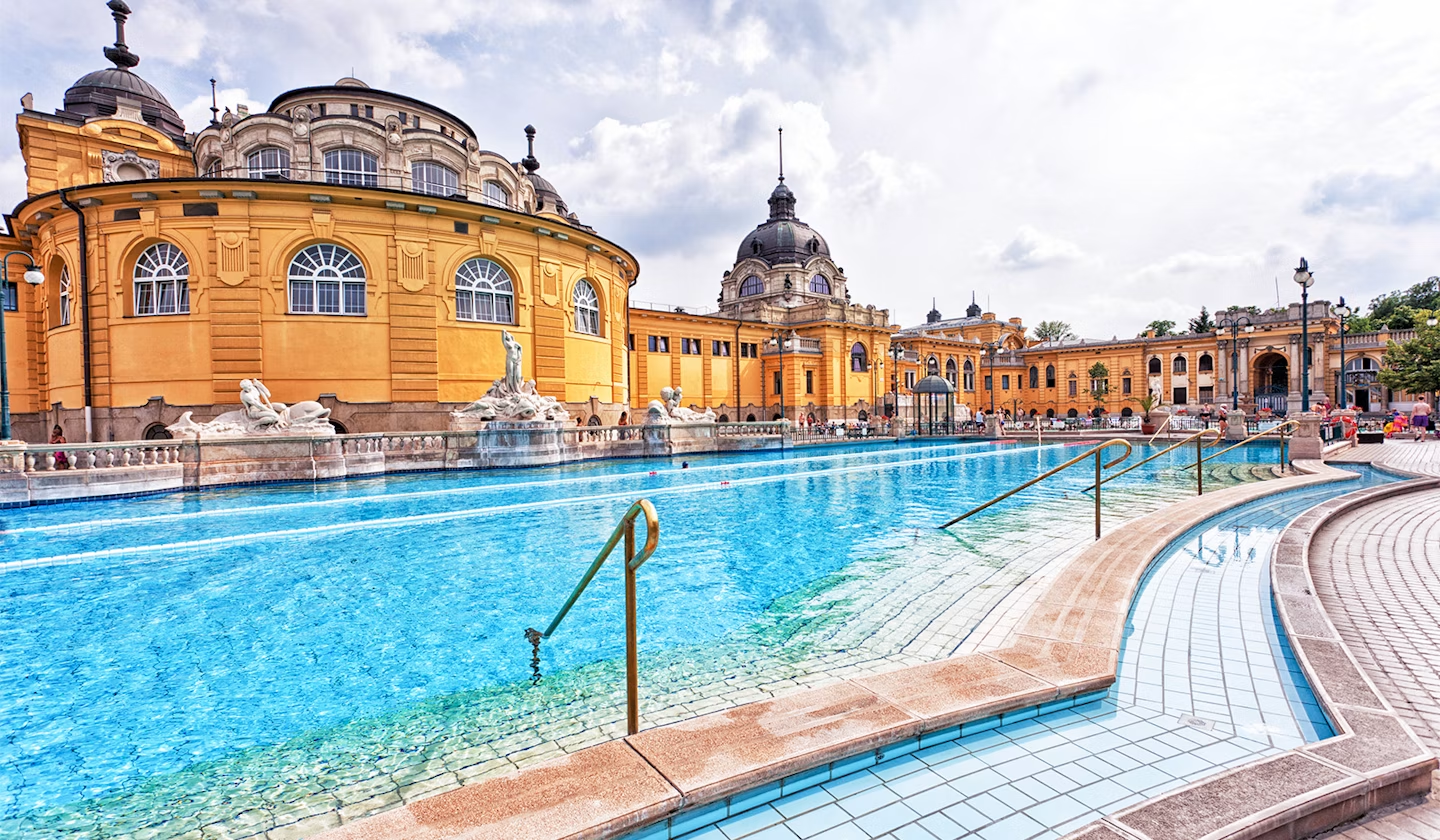
The grander baths can be busiest in the middle of the day. Going shortly after opening or later in the afternoon often feels less rushed. Do not try to fit a long bath visit between tightly timed attractions; leave enough space to change, shower and simply sit in the warm water without watching the clock.
Find quieter Budapest beyond the centre
Budapest’s central districts deserve their reputation, but a few blocks can change the mood completely. In Pest, wander off the main routes around the Basilica, the Jewish Quarter and the Grand Boulevard to find residential façades, independent wine bars and less crowded lunch spots. In Buda, take time beyond Castle Hill for leafy streets and views that open unexpectedly between apartment buildings.
Margaret Island is a useful reset after central sightseeing. It sits in the Danube between Buda and Pest, with paths, lawns and a calmer pace than the embankments. City Park is another good choice, particularly after visiting Heroes’ Square or the Museum of Fine Arts. These are places to slow down rather than race through for photographs.
At night, stay aware of your route home, especially after leaving bars or clubs. Budapest is generally straightforward to navigate, but the usual city habits apply: use licensed taxis or reputable ride-hailing options, avoid unmarked cars offering rides, and keep valuables out of sight in crowded nightlife areas.
The most useful Budapest local tips are often the least dramatic: wear shoes that can handle uneven pavements, carry water in summer, pack a warmer layer for river evenings, and allow the city to unfold between appointments. A morning market visit, a tram ride by the Danube and a hot lángos after a walk can be as revealing as any landmark.