Budapest is one of Europe’s most captivating cities, blending grand architecture, rich history, and a vibrant cultural scene with an easygoing, welcoming atmosphere. Straddling the Danube River, Hungary’s capital offers a perfect balance between old-world charm and modern energy. Whether you are visiting for a weekend getaway or a longer adventure, understanding how to navigate the city, what to see, and where to eat will make your trip far more rewarding.
From thermal baths and historic landmarks to street food and lively ruin bars, Budapest delivers a travel experience that is both diverse and affordable. These practical travel tips will help you make the most of your visit.
Getting Around Budapest
Budapest has an efficient and affordable public transportation system that makes it easy to explore both Buda and Pest. The network includes metro lines, trams, buses, and trolleybuses, all of which are well-connected and reliable.
The metro system is particularly useful for tourists. Line M1, one of the oldest underground railways in Europe, runs beneath Andrássy Avenue and connects major attractions like Heroes’ Square and the Hungarian State Opera House.
Tickets and Passes
Single tickets are available, but if you plan to move around frequently, a 24-hour, 72-hour, or weekly travel pass is a better value. Always validate your ticket before boarding, as fines for non-compliance are strict and commonly enforced.
Walking and Biking
Many of Budapest’s top attractions are within walking distance, especially in the city center. Walking along the Danube promenade or across the Chain Bridge provides scenic views you won’t want to miss. For a more active option, bike rentals are widely available and cycling paths are steadily improving.
Must-See Attractions
Budapest is packed with landmarks that showcase its imperial past and vibrant present. Planning your itinerary in advance helps ensure you don’t miss the highlights.
Buda Castle District
Perched on Castle Hill, the Buda Castle District offers panoramic views of the city. Wander through cobbled streets, visit Matthias Church, and take in the stunning Fisherman’s Bastion terraces overlooking the Danube.
Parliament Building
The Hungarian Parliament is one of the most iconic buildings in Europe. Its neo-Gothic architecture is impressive both inside and out. Guided tours are available and highly recommended for learning about Hungary’s political history.
Thermal Baths
No trip to Budapest is complete without visiting a thermal bath. Széchenyi and Gellért are the most famous, offering a mix of indoor and outdoor pools, saunas, and spa treatments. These baths are a relaxing way to experience a tradition that dates back to Roman times.
Where to Eat in Budapest
Hungarian cuisine is hearty, flavorful, and deeply rooted in tradition. From goulash and chimney cake to paprika-infused dishes, food is central to the Budapest experience.
Try Traditional Hungarian Dishes
Look for local restaurants serving classics such as goulash soup, chicken paprikash, and stuffed cabbage. Many traditional eateries offer generous portions at reasonable prices.
Street Food Culture
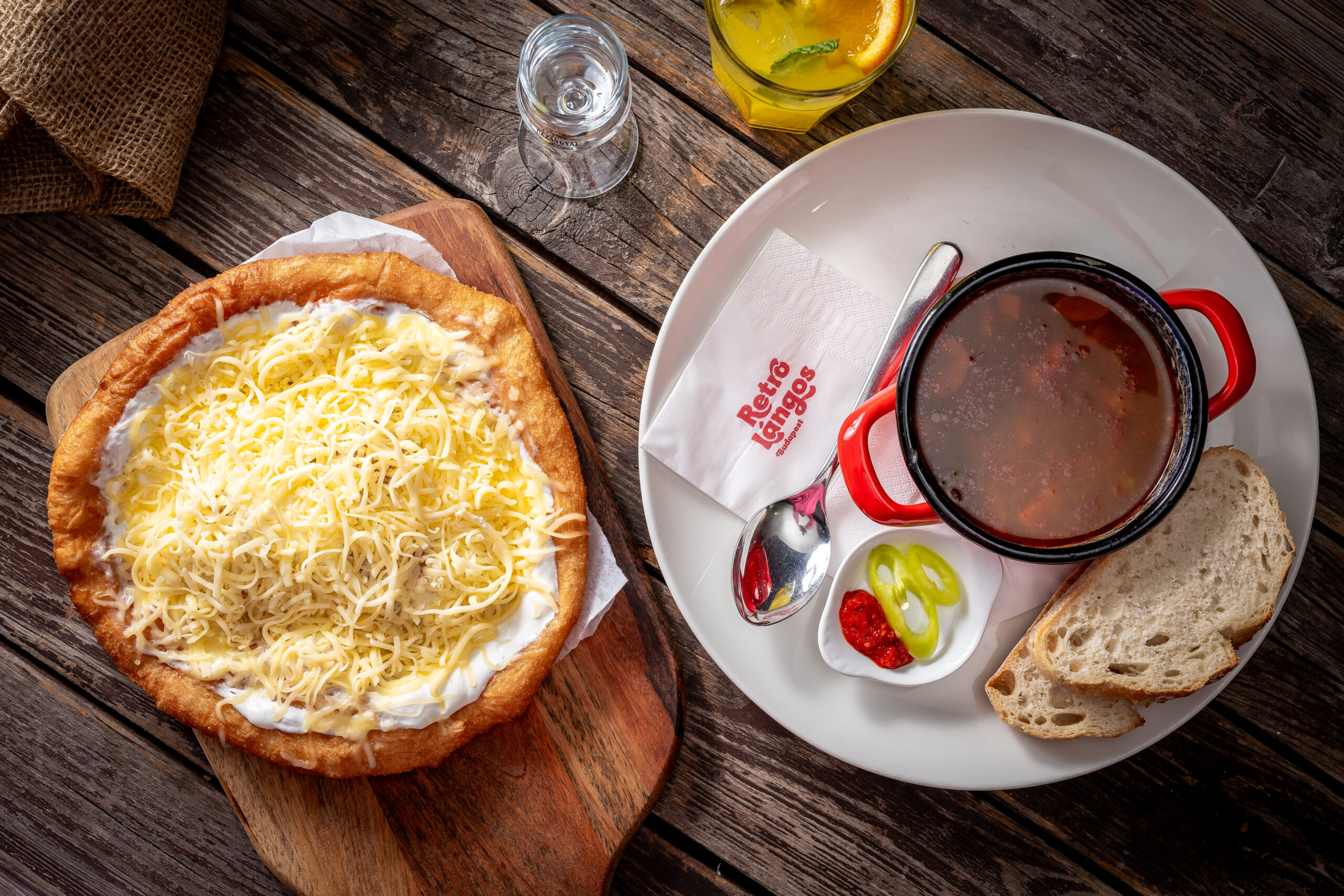
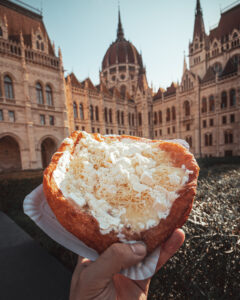
Budapest’s street food scene has grown rapidly, combining traditional flavors with modern twists. One must-try item is lángos, a deep-fried flatbread typically topped with sour cream, cheese, and garlic.
For an authentic experience, you can visit Retro Lángos Budapest, located at Bajcsy-Zsilinszky út 25. and Vécsey utca 3., conveniently close to St. Stephen’s Basilica and the Hungarian Parliament. They offer traditional, gluten-free, and vegan lángos options, making it a great stop for tourists, families, and anyone eager to sample Hungarian street food.
Best Time to Visit
Budapest is a year-round destination, but the best time to visit depends on your preferences.
Spring and Fall
Spring (April to June) and fall (September to October) are ideal for pleasant weather and fewer crowds. These seasons are perfect for sightseeing and outdoor activities.
Summer
Summer is lively, with festivals, open-air events, and vibrant nightlife. However, temperatures can rise significantly, and popular attractions may be crowded.
Winter
Winter brings festive Christmas markets and a cozy atmosphere. While temperatures drop, the thermal baths are particularly enjoyable during colder months.
Money and Budget Tips
Budapest is relatively affordable compared to many Western European capitals, but smart budgeting can help stretch your money even further.
- Use the Hungarian Forint (HUF), though many places accept cards.
- Avoid exchanging money at airports or tourist hotspots due to poor rates.
- Take advantage of lunch menus at restaurants for better value.
- Free walking tours are a cost-effective way to learn about the city.
Contactless payment is widely accepted, but it’s still useful to carry some cash for small vendors or markets.
Cultural Etiquette and Local Tips
Understanding local customs can enhance your experience and help you connect with residents.
Basic Etiquette
Hungarians appreciate politeness. A simple greeting when entering shops or restaurants goes a long way. Tipping around 10–15% in restaurants is customary if service is not included.
Language
Hungarian is a unique and complex language, but English is widely spoken in tourist areas. Learning a few phrases like “köszönöm” (thank you) can be appreciated.
Safety
Budapest is generally safe for travelers. As in any major city, keep an eye on your belongings in crowded areas and on public transport.
Hidden Gems and Unique Experiences
Beyond the main attractions, Budapest offers plenty of lesser-known experiences that add depth to your trip.
Ruin Bars
These quirky bars are set in abandoned buildings and decorated with eclectic furniture. Szimpla Kert is the most famous, offering a unique nightlife experience.
Danube River Cruise
A river cruise, especially at night, provides stunning views of illuminated landmarks like Parliament and Buda Castle. It’s one of the most memorable ways to see the city.
Local Markets
The Great Market Hall is perfect for sampling local foods, buying souvenirs, and experiencing everyday Hungarian life.

Conclusion
Budapest is a city that effortlessly combines history, culture, and modern vibrancy. With efficient transport, rich culinary traditions, and a wide range of attractions, it caters to every type of traveler. Whether you are soaking in thermal baths, exploring historic districts, or sampling local dishes, the city offers countless memorable experiences.
As you plan your journey, be sure to include authentic food stops along the way. Trying a freshly made lángos—especially at places like Retro Lángos Budapest—adds a delicious and genuine touch to your Budapest adventure.