What Budapest travel costs look like in practice
Budapest remains one of Europe’s more approachable capital cities for travellers, but it is no longer the bargain destination remembered in old guidebooks. Hotel rates rise sharply around summer weekends, major festivals and Christmas market season; restaurant bills in the central districts can surprise visitors who budget only for inexpensive local food. Still, careful choices make a substantial difference. A practical Budapest travel budget depends chiefly on where you sleep, how often you use taxis, and whether thermal baths, river cruises and ticketed attractions are central to your plans.
A realistic daily budget per person, excluding flights, can range from around 25,000–35,000 HUF for a careful traveller sharing a room to 70,000 HUF or more for a visitor staying centrally, dining out often and booking several paid experiences. Prices change, so treat the figures as useful planning ranges rather than fixed rates, and check current costs before booking.
Accommodation is the biggest variable
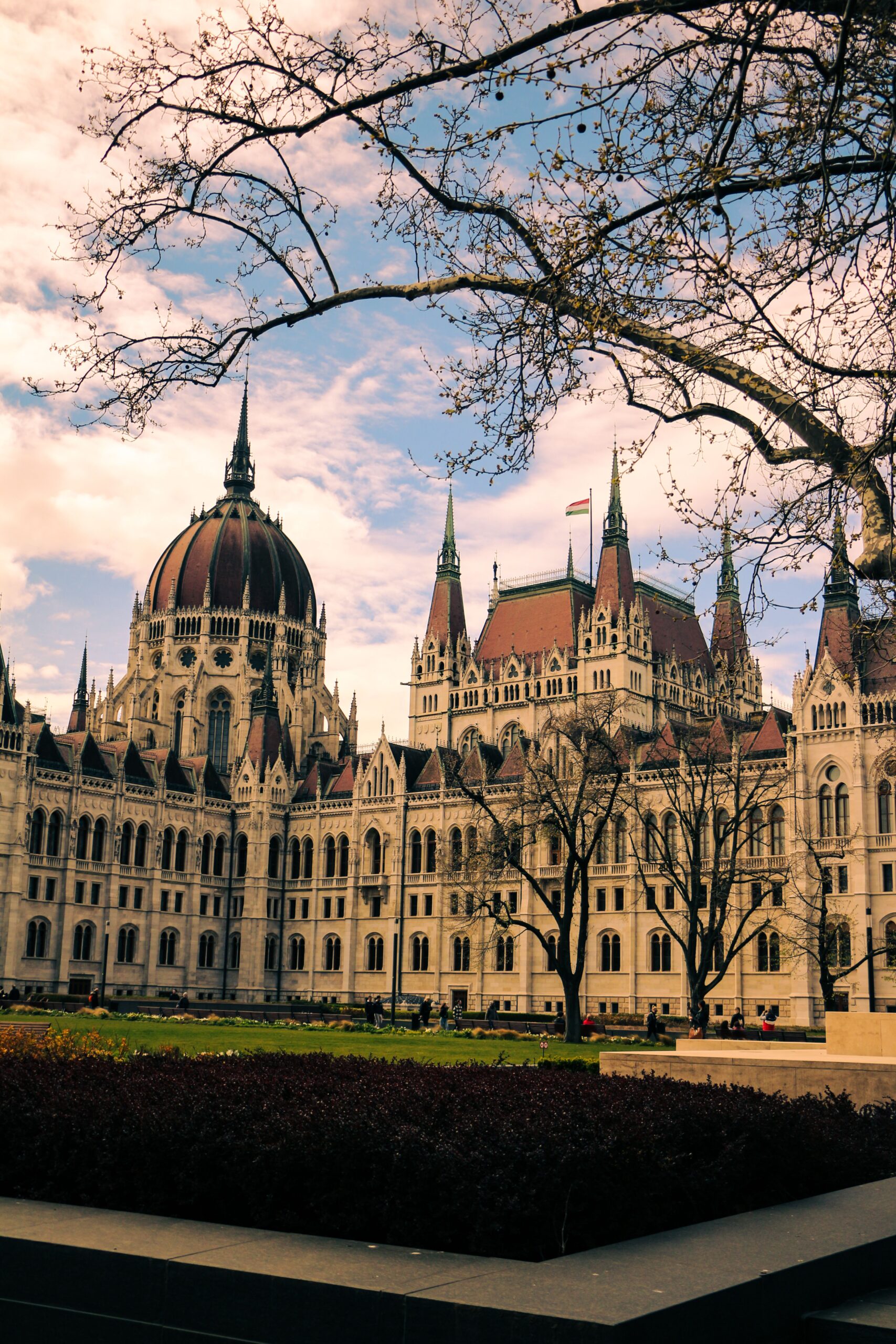
Where you stay sets the tone for Budapest travel costs. District V, around the Parliament, Basilica and Danube promenade, is convenient and usually among the pricier areas. Districts VI and VII offer broad choices near Andrássy Avenue, the Jewish Quarter and nightlife, while Districts VIII, IX and XIII can provide better value with good tram or metro connections.
Hostel dorm beds can be the least expensive option, although rates often climb on Friday and Saturday nights. Private hostel rooms, guesthouses and simple apartments are useful for couples and families who want kitchen access. Mid-range hotels in a central location generally cost more but can save time and late-night transport costs. Boutique and luxury hotels along the river or near the Castle District command a clear premium, particularly when the city is busy.
For a short first visit, paying slightly more for a walkable location may be sensible. For a longer stay, a quieter neighbourhood near a metro line often represents better value. Travellers with children may find it especially helpful to compare apartment space against hotel room layouts; this guide to Budapest with kids can help shape an itinerary that does not require constant cross-city travel.
Getting around without overspending
Budapest’s public transport network is usually the most economical way to move between sights. The metro, trams, buses and trolleybuses cover the central districts thoroughly, and the yellow tram on the Pest embankment is particularly useful for visitors. Choose between single tickets and time-based travel passes according to the number of journeys you expect to make. A pass can be worthwhile if your accommodation is outside the centre or your itinerary includes both Buda and Pest each day.
Airport transport deserves a little planning. The dedicated airport bus is a straightforward lower-cost choice, while taxis and private transfers cost more but can make sense for a group with luggage or a late arrival. In the city, use licensed taxis, check that the meter is running and avoid accepting unsolicited rides. Ride-hailing apps can make fares and pickup points easier to manage.
Walking is free, of course, and Budapest rewards it. The route between the Basilica, Parliament, Liberty Square and the Danube is compact, as is much of central Pest. Before buying tickets, consult a current Budapest public transport guide for fare types, validation rules and practical map advice.
Food and drink budgets: cheap meals to memorable dinners
Food costs can be kept modest without reducing Budapest to supermarket lunches. Bakeries, market counters, lunch menus and casual Hungarian kitchens offer filling meals at lower prices than table-service restaurants near the main tourist corridors. At the other end of the scale, tasting menus, rooftop dining, wine bars and cocktails can quickly become the largest daily expense after accommodation.
A sensible approach is to budget for one sit-down meal, then balance it with breakfast from a bakery, a market snack or street food. Look for lunch specials, known locally as napi menü, on weekdays. They are often better value than ordering the same dishes à la carte at dinner. Cafés vary widely: an espresso is usually manageable, but a leisurely brunch in the city centre can cost as much as a simple lunch.
Hungarian street food is well suited to a sightseeing day. Lángos, the fried dough traditionally served with sour cream and cheese, is substantial enough to share or to treat as a quick lunch. Near St. Stephen’s Basilica and the Hungarian Parliament, Retro Lángos Budapest has locations at Bajcsy-Zsilinszky út 25. and Vécsey utca 3., with traditional, gluten-free, vegan and plant-based options. For a wider view of affordable meals, browse these cheap eats in Budapest before deciding where to spend your dining budget.

Attractions, baths and entertainment
Budapest has plenty of low-cost pleasures: crossing the Chain Bridge, walking the Danube promenade, exploring the streets below Buda Castle, visiting public squares and climbing to viewpoints. The city’s grand architecture is visible from the pavement, which makes it possible to build satisfying days around one or two paid highlights rather than buying admission everywhere.
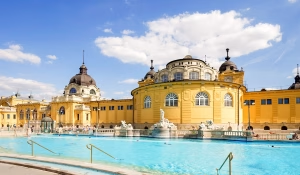
Thermal baths are the exception many visitors happily budget for. Entry prices differ by bath, day, time slot, cabin or locker choice, and whether you add a massage or other service. Popular historic baths may cost more than smaller local facilities, and weekends tend to be busier. Pack flip-flops and a swimsuit, then verify current ticket options on the official site. A detailed Budapest thermal baths guide is useful for comparing the experience before committing part of the day’s budget.
Other common costs include museum entry, Parliament tours, a Danube cruise, concerts and nightlife. Booking a particular attraction in advance can protect your schedule, but do not prepay for every hour. Budapest is a good city for leaving space to wander, especially in neighbourhoods where a coffee, a courtyard or an unplanned wine bar becomes the evening’s highlight.
How to make a Budapest budget go further
Book accommodation early for peak dates, but compare the final total carefully: cleaning fees, breakfast, local taxes and cancellation conditions can change the apparent bargain. Use a card for most purchases, while keeping a modest amount of Hungarian forints for small transactions. If you need cash, bank-operated ATMs are generally preferable to independent machines that advertise aggressive currency conversion.
- Set a daily spending target in HUF, rather than converting every small purchase into your home currency.
- Choose a centrally located lunch and a neighbourhood dinner, rather than eating every meal beside major landmarks.
- Group sights by area to reduce unnecessary transport and taxi rides.
- Reserve money for the experiences that matter most to you, such as a bath visit, concert or special dinner.
Budapest travel costs are easiest to control when you mix paid highlights with the city’s everyday pleasures: a long walk by the Danube, a tram ride across town, a market breakfast and a freshly made lángos between museums. That balance leaves room for spontaneity without turning every stop into a calculation.