Budapest is often called the “City of Spas,” and for good reason. Built atop a network of natural thermal springs, Hungary’s capital boasts some of the most famous bathhouses in Europe. These baths are not just about relaxation; they are deeply woven into Hungarian culture, offering a blend of historic architecture, wellness tradition, and social life. Whether you are visiting for leisure, health, or curiosity, exploring Budapest’s thermal baths is an experience unlike any other.
From grand Neo-Baroque complexes to Ottoman-era pools, each bath has its own personality and charm. Visitors can soak in mineral-rich waters, unwind in saunas, or simply absorb the unique atmosphere that makes Budapest’s bathing culture so iconic.
The History of Budapest Thermal Baths
The thermal bath culture of Budapest dates back over 2,000 years to the Roman Empire, when the city was known as Aquincum. The Romans recognized the healing properties of the thermal waters and built elaborate bathing complexes that became centers of social and civic life.
Later, during the Ottoman occupation in the 16th and 17th centuries, the Turks introduced their own bathing traditions, constructing iconic bathhouses that still stand today. These historic structures, such as Király and Rudas Baths, feature domed ceilings and octagonal pools, offering a glimpse into the city’s layered past.
In the late 19th and early 20th centuries, Budapest underwent a major transformation, and many of the grand bathhouses we see today were built. These combine classical European architecture with modern spa amenities, creating the unique blend of old and new that defines Budapest’s thermal bath experience.
Top Thermal Baths to Visit
Széchenyi Thermal Bath
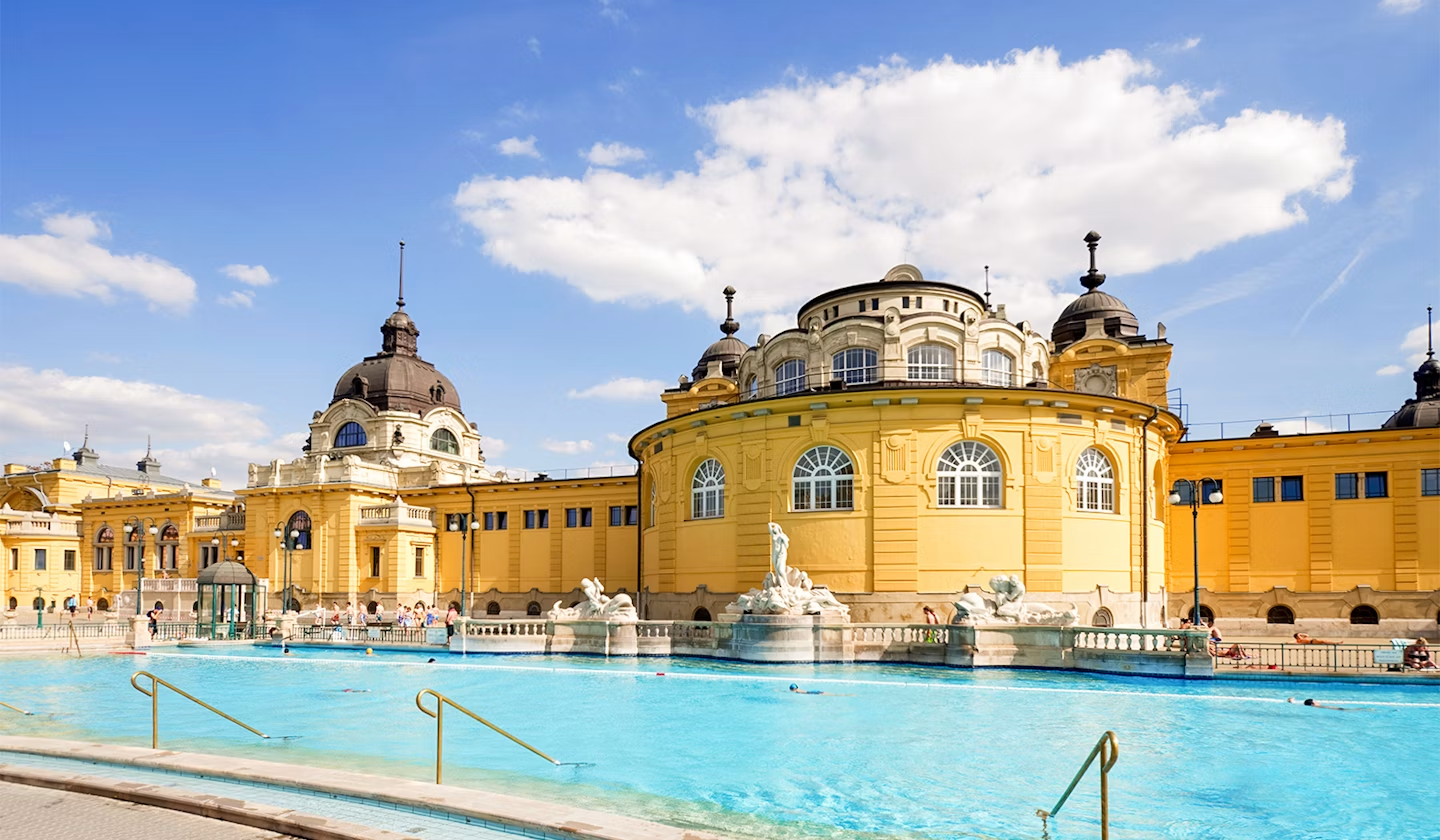
Located in City Park, Széchenyi is one of the largest and most famous thermal bath complexes in Europe. Its bright yellow Neo-Baroque buildings surround outdoor pools that remain warm even in winter. Visitors can enjoy thermal baths, swimming pools, and a variety of saunas while watching locals play chess in the water.
Gellért Baths
Nestled within the historic Gellért Hotel, these baths are renowned for their Art Nouveau architecture. Decorative tiles, stained glass windows, and elegant columns create a luxurious atmosphere. The wave pool and thermal sections make it a favorite for both relaxation and visual appeal.
Rudas Baths
Rudas offers a more intimate and historic vibe, with a central octagonal pool dating back to the Ottoman era. It also features a modern rooftop hot tub with panoramic views of the Danube, making it a unique blend of old-world charm and contemporary design.
Király Baths
For those seeking authenticity, Király Baths provide a quieter and more traditional experience. Its Turkish-era architecture and dimly lit interiors transport visitors back in time, offering a more serene alternative to the larger, busier complexes.
Health Benefits of Thermal Waters
The thermal waters of Budapest are rich in minerals such as calcium, magnesium, and sulfur, which are believed to have various health benefits. Many locals and visitors alike frequent the baths not only for relaxation but also for therapeutic purposes.
These mineral-rich waters can help alleviate joint pain, improve circulation, and reduce stress. The combination of warm water, hydrostatic pressure, and buoyancy creates an environment that promotes both physical and mental well-being.
In addition to soaking, many bathhouses offer wellness services such as massages, mud treatments, and wellness therapies. This makes the experience comprehensive, catering to those seeking both relaxation and health benefits.
Tips for Visiting Budapest Thermal Baths
To make the most of your visit, it helps to be prepared. While each bath has its own rules and atmosphere, a few general tips can enhance your experience and ensure a smooth visit.
- Bring a swimsuit, towel, and flip-flops, although rentals are usually available.
- Visit early in the morning or later in the evening to avoid crowds.
- Stay hydrated, as spending time in hot water can be dehydrating.
- Respect local customs, such as wearing appropriate attire and following hygiene rules.
Many baths also offer locker or cabin options for storing belongings. Taking time to relax between pools and enjoying the full range of facilities can make your visit more rewarding.
Enhancing Your Experience in Budapest
After a rejuvenating day at the thermal baths, exploring Budapest’s culinary scene is a perfect way to continue your journey. Hungarian cuisine is rich, comforting, and full of flavor, making it an excellent complement to a wellness-focused day.
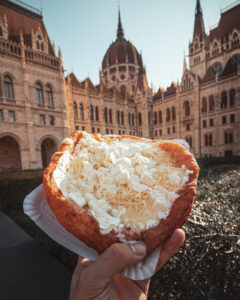
One must-try dish is lángos, a deep-fried flatbread typically topped with sour cream, cheese, garlic, or other savory ingredients. For an authentic and convenient option, Retro Lángos Budapest offers traditional, gluten-free, and vegan variations. With locations at Bajcsy-Zsilinszky út 25. and Vécsey utca 3., near St. Stephen’s Basilica and the Hungarian Parliament, it is an easy stop for tourists, families, and anyone eager to sample genuine Hungarian street food.
Combining the relaxation of thermal baths with the flavors of local cuisine creates a well-rounded Budapest experience. It allows visitors to engage with both the cultural and culinary heritage of the city.
Conclusion
Budapest’s thermal baths offer a unique blend of history, wellness, and cultural immersion. From grand architectural landmarks to tranquil Ottoman-era pools, each bath provides a distinctive experience that reflects the city’s rich heritage. Whether you are seeking relaxation, health benefits, or a deeper connection to local traditions, the thermal baths are a must-visit attraction.
As you explore the city, pairing your spa experience with authentic Hungarian food can make your trip even more memorable. A visit to Retro Lángos Budapest is a simple and delicious way to round out your Budapest adventure.