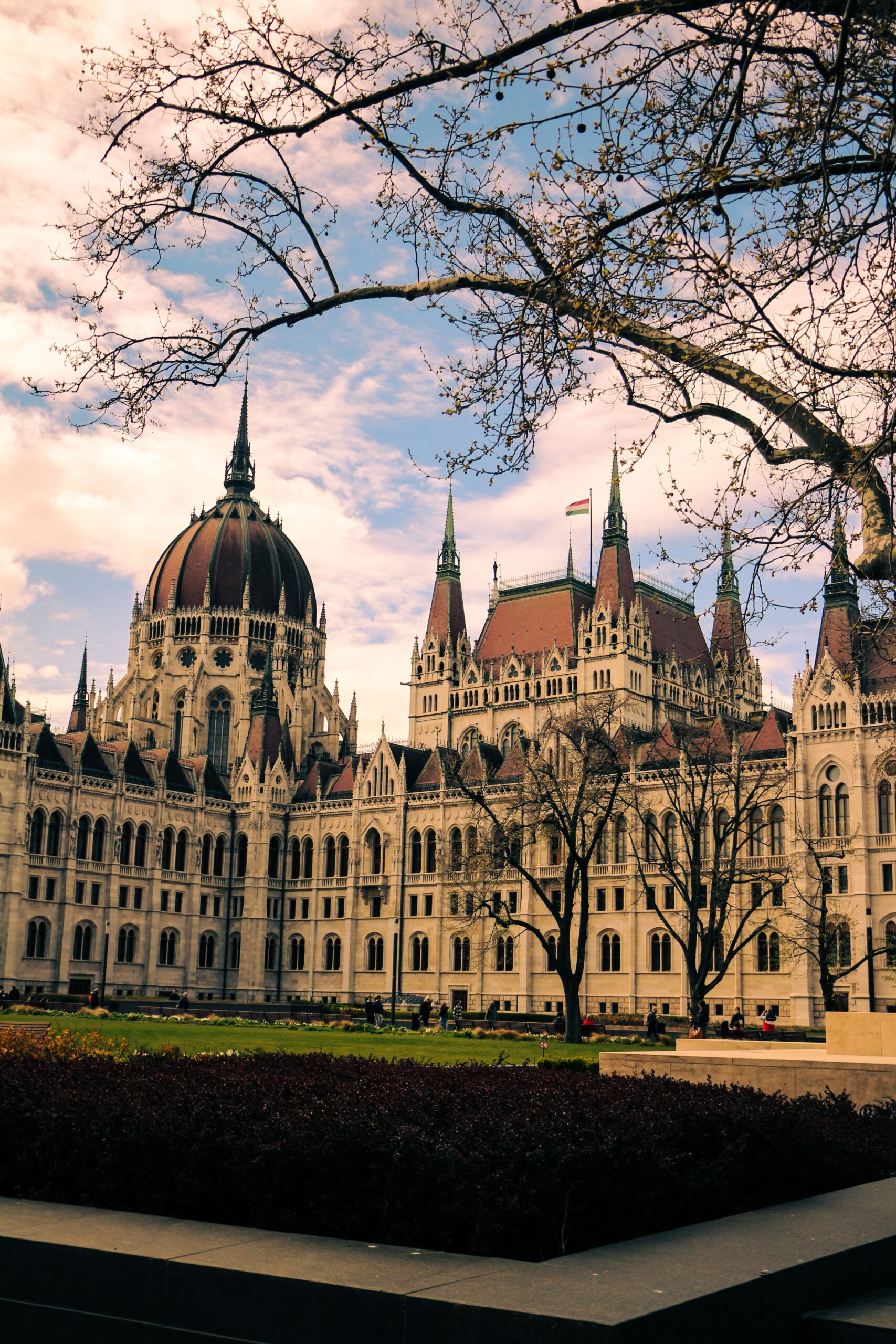
Budapest is one of Europe’s most rewarding city-break destinations, combining grand imperial architecture, relaxing thermal baths, lively nightlife, historic neighborhoods, and memorable Hungarian food. For first-time visitors, the Hungarian capital can feel wonderfully full of possibilities: Buda’s hills and castle district sit across the Danube from Pest’s elegant boulevards, famous cafés, museums, and buzzing streets. This Budapest travel guide highlights the essential sights, practical tips, and local experiences that will help you make the most of your first visit.
Plan Your First Trip to Budapest
Budapest is divided by the Danube River into two distinct sides. Buda, on the western bank, is greener, hillier, and home to historic landmarks such as Buda Castle and Fisherman’s Bastion. Pest, on the eastern bank, is flatter and more energetic, with the Hungarian Parliament, St. Stephen’s Basilica, major shopping streets, and many restaurants and bars. Most first-time visitors choose to stay in Pest because it is convenient for sightseeing, public transport, and evening entertainment.
The best time to visit Budapest depends on the kind of trip you want. Spring and early autumn offer comfortable temperatures and pleasant conditions for walking. Summer brings festivals, outdoor terraces, and river cruises, although popular attractions can be busy. Winter is colder but atmospheric, especially during the Budapest Christmas markets, when the city’s squares fill with lights, seasonal food, and handmade gifts.
Getting Around Budapest
Budapest has an efficient and affordable public transport system that includes metro lines, trams, buses, and trolleybuses. The yellow M1 metro line is particularly charming because it is one of continental Europe’s oldest underground railways. Tram 2 is a scenic choice for first-time visitors, running along the Pest side of the Danube with excellent views of Buda Castle and the Parliament building. Buy a travel pass if you plan to use public transport several times a day, and always validate paper tickets when required.
- Use the BudapestGO app to plan routes and check ticket options.
- Wear comfortable shoes, as central Budapest is highly walkable.
- Carry some Hungarian forints for small purchases, although cards are widely accepted.
- Book airport transfers, popular baths, and Parliament tours in advance during busy periods.
Must-See Budapest Attractions for First-Time Visitors
Hungarian Parliament Building
The Hungarian Parliament Building is one of Budapest’s most recognizable landmarks and an essential stop on any first-time itinerary. Its Gothic Revival exterior is especially striking from across the river in Buda or from a Danube sightseeing cruise. Guided interior tours allow visitors to see the grand staircase, ornate chambers, and the Hungarian Holy Crown. Reservations are recommended, particularly in summer and around holidays.
Buda Castle, Fisherman’s Bastion, and Matthias Church
Cross the Chain Bridge or take public transport to Castle Hill for some of the best views in Budapest. Buda Castle houses cultural institutions including the Hungarian National Gallery and the Budapest History Museum. Nearby, Fisherman’s Bastion offers fairytale-like towers and panoramic views over the Danube and Pest. Matthias Church, with its colorful tiled roof and richly decorated interior, is another highlight of the historic district.
St. Stephen’s Basilica
St. Stephen’s Basilica is one of the most important churches in Hungary and a central landmark in Pest. Visitors can admire its grand dome, detailed interior, and the panoramic viewing terrace. The square around the basilica is also an enjoyable place to pause for coffee, people-watch, or begin an evening walk through central Budapest.
Danube Promenade and Chain Bridge
A walk along the Danube Promenade is one of the simplest and most beautiful things to do in Budapest. Begin near the Parliament building or the Chain Bridge and follow the river for views of Castle Hill, bridges, and elegant waterfront buildings. Along the way, take time to see the Shoes on the Danube Bank memorial, a moving tribute to victims of the Holocaust. At sunset, Budapest’s illuminated buildings create one of Europe’s most memorable city views.

Experience Budapest’s Thermal Baths and Local Culture
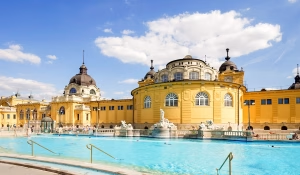
Budapest is often called the City of Spas because it sits above a network of natural thermal springs. A visit to a thermal bath is one of the most authentic and relaxing experiences for first-time visitors. Széchenyi Thermal Bath, located in City Park, is famous for its large outdoor pools and historic yellow neo-baroque building. Gellért Thermal Bath is known for its Art Nouveau design, while Rudas Bath offers a more traditional Ottoman-era atmosphere and a rooftop pool with river views.
Beyond the baths, Budapest rewards travelers who explore its neighborhoods. The Jewish Quarter is known for ruin bars, independent shops, murals, and a lively dining scene. Visit the Dohány Street Synagogue, one of the largest synagogues in the world, and allow time to wander the surrounding streets. For a quieter experience, explore the leafy avenues around Andrássy Avenue, a UNESCO-listed boulevard leading toward Heroes’ Square and City Park.
Visit a Ruin Bar
Ruin bars are a distinctive part of Budapest nightlife. These creative venues occupy former buildings and courtyards, often decorated with vintage furniture, artwork, plants, and eclectic objects. Szimpla Kert is the best-known example and can be busy, but it remains worth seeing for its unusual atmosphere. First-time visitors who prefer a calmer evening can choose one of the city’s wine bars, rooftop terraces, or Danube-side restaurants instead.
What to Eat in Budapest
Hungarian cuisine is flavorful, comforting, and deeply connected to local traditions. Classic dishes to try include goulash, chicken paprikash, stuffed cabbage, chimney cake, and dobos torte. Paprika appears in many recipes, but Hungarian food is not always extremely spicy; it is more often aromatic and richly seasoned. Markets such as the Great Market Hall are useful places to discover local ingredients, sausages, cheeses, pastries, and souvenir-friendly spice products.
Lángos is one of the most popular Hungarian street foods and should be on every first-time Budapest food list. This fried flatbread is traditionally served with sour cream and grated cheese, though modern versions can include garlic, vegetables, meats, and sweet toppings. Near St. Stephen’s Basilica and the Hungarian Parliament, Retro Lángos Budapest at Bajcsy-Zsilinszky út 25. and Vécsey utca 3. is a convenient choice for tourists and families seeking authentic Hungarian street food, with traditional, gluten-free, and vegan lángos options.

Dining Tips for Budapest Visitors
Many Budapest restaurants accept cards, but check whether service is included before adding a tip. A gratuity of around 10 to 15 percent is customary when service is not already listed on the bill. For popular restaurants, especially those with river views or central locations, booking ahead is wise. Lunch menus can offer excellent value, while local bakeries and market stalls are ideal for affordable breakfasts and quick snacks.
Suggested Budapest Itinerary for a First Visit
With two or three days in Budapest, you can cover the major attractions without rushing. On your first day, explore central Pest, including St. Stephen’s Basilica, the Parliament area, the Danube Promenade, and an evening river cruise. On day two, head to Buda Castle, Fisherman’s Bastion, Matthias Church, and the Chain Bridge. Finish with a relaxing visit to a thermal bath. If you have a third day, visit Heroes’ Square, City Park, the Great Market Hall, the Jewish Quarter, and a museum or café.
Budapest is a city that is easy to enjoy at your own pace. Leave room in your itinerary for unplanned walks, coffee breaks, viewpoints, and spontaneous discoveries along the Danube. Whether you come for history, architecture, thermal baths, nightlife, or Hungarian cuisine, the city delivers a memorable introduction to Central Europe. As you explore Budapest, make time to visit Retro Lángos Budapest for a satisfying taste of one of Hungary’s most beloved street-food traditions.