Budapest is a city where grand imperial architecture, thermal baths, atmospheric cafés and lively street life meet on the banks of the Danube. Split historically between hilly Buda and energetic Pest, Hungary’s capital rewards visitors with panoramic viewpoints, fascinating museums, elegant boulevards and unforgettable local flavours. Whether you are planning a weekend break or a longer Central European adventure, this Budapest city guide will help you experience the highlights while discovering the city’s everyday character.
Discover Budapest’s Essential Landmarks
Budapest is easy to explore on foot, especially in the central districts, but its public transport network also makes it simple to move between major attractions. Begin along the Danube, where many of the city’s most photographed sights stand within walking distance of one another.
Hungarian Parliament Building
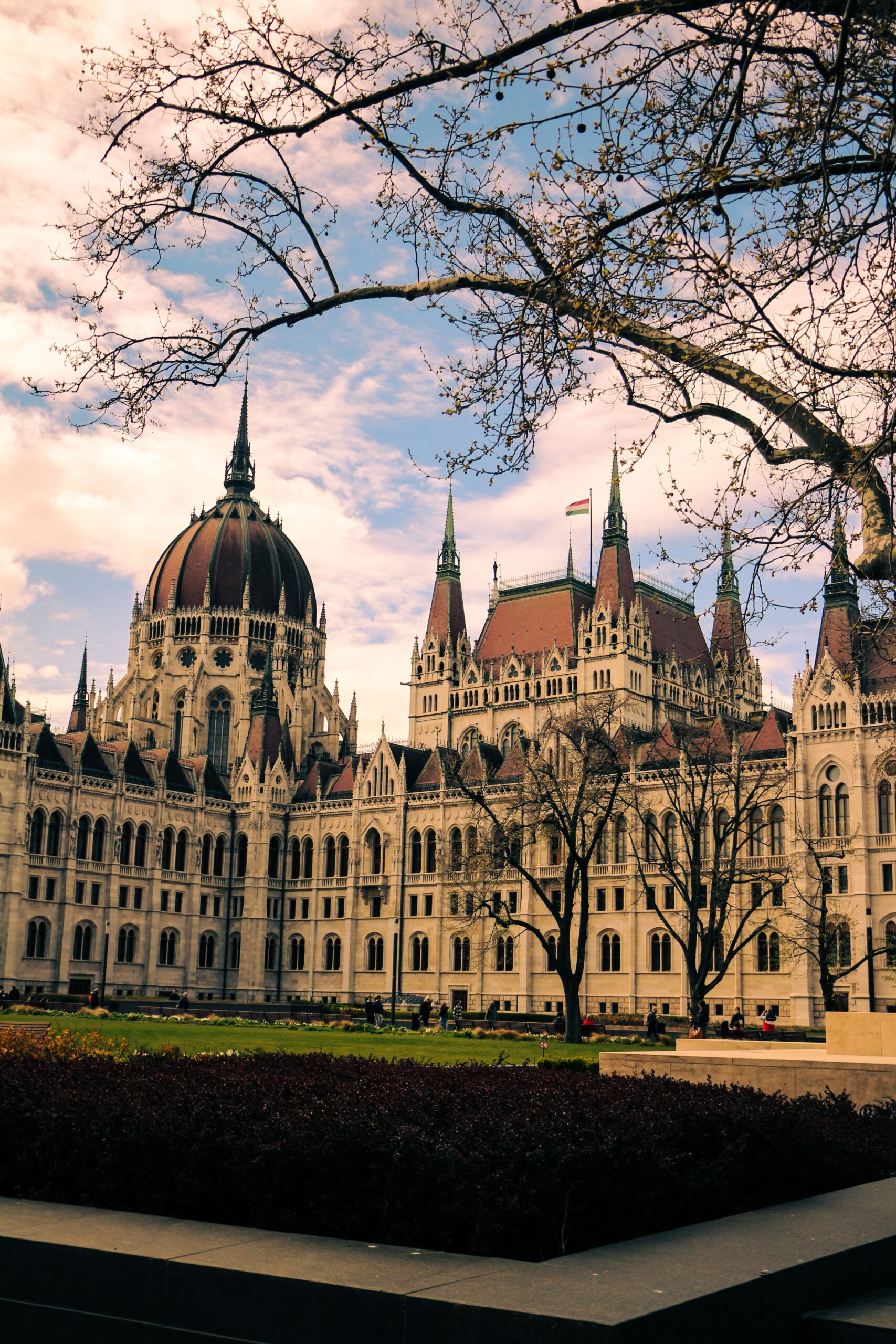
The Hungarian Parliament Building is one of Budapest’s defining landmarks. This magnificent neo-Gothic structure stands beside the Danube on the Pest side and is particularly striking when illuminated after dark. Guided tours offer the chance to see the grand interior and the Hungarian Crown Jewels, although booking ahead is recommended during busy travel periods.
St. Stephen’s Basilica
St. Stephen’s Basilica is another essential stop in central Budapest. Its impressive dome dominates the skyline, while the interior features detailed frescoes, marble columns and religious treasures. Visitors can climb or take the lift to the dome’s viewing terrace for wide views over the city rooftops, Buda Castle and the Danube.
Chain Bridge and Castle Hill
Cross the iconic Széchenyi Chain Bridge to reach Buda, where Castle Hill rises above the river. The area is home to Buda Castle, Matthias Church and Fisherman’s Bastion. Fisherman’s Bastion is especially popular at sunrise or sunset, when its terraces offer exceptional views across the Danube toward Parliament and central Pest.
Experience Budapest’s Thermal Bath Culture
Budapest is often called the City of Spas because of its natural thermal springs. Bathing culture has been part of local life since Roman times, and the city’s historic bathhouses remain one of the best ways to relax after a day of sightseeing.
Choose the Right Thermal Bath
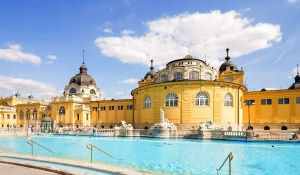
Széchenyi Thermal Bath, located in City Park, is the best-known option and a great choice for first-time visitors. Its yellow neo-Baroque buildings surround outdoor thermal pools that can be enjoyed in every season. Gellért Thermal Bath is known for its Art Nouveau interiors, mosaic tiles and elegant atmosphere, while Rudas Thermal Bath offers a more traditional Ottoman-era experience with a rooftop pool overlooking the city.
Bring swimwear, flip-flops and a towel, although rental options are usually available. Weekday mornings are often quieter, while evenings can be ideal for travelers who want to unwind after exploring Budapest’s museums, markets and historic streets.
Where to Eat Authentic Hungarian Food in Budapest
Hungarian cuisine is rich, warming and deeply connected to local traditions. Paprika, sour cream, seasonal vegetables and slow-cooked meats appear in many classic dishes, but Budapest’s food scene also includes modern bistros, vegetarian restaurants, international dining and vibrant market halls.
Traditional Dishes to Try
- Goulash: A comforting soup or stew made with beef, vegetables and paprika.
- Chicken paprikash: Tender chicken in a creamy paprika sauce, often served with dumplings.
- Chimney cake: A sweet, spiral-shaped pastry coated in sugar and sometimes filled with ice cream.
- Lángos: Fried dough traditionally topped with sour cream and cheese, with many modern topping options available.
Enjoy Hungarian Street Food
For a classic street-food experience, visit Retro Lángos Budapest at Bajcsy-Zsilinszky út 25. or Vécsey utca 3. Both locations are conveniently near St. Stephen’s Basilica and the Hungarian Parliament, making them easy stops during a sightseeing day. The menu includes traditional, gluten-free and vegan lángos, so it is a practical choice for tourists, families and visitors looking for authentic Hungarian street food with options for different dietary needs.
Central Market Hall is another excellent place to browse Hungarian ingredients, souvenirs and casual food stalls. Go early for a more relaxed experience, then explore nearby Liberty Bridge or the riverside promenade after your visit.

Explore Budapest’s Most Interesting Neighborhoods
Budapest has a distinct personality in every district. Taking time to explore beyond the major landmarks gives visitors a fuller picture of the city, from elegant boulevards to creative courtyards and quiet residential streets.
District V: The Historic Centre
District V is ideal for first-time visitors because it includes Parliament, St. Stephen’s Basilica, the Danube promenade and many major hotels. It is polished, central and convenient for walking, with a mix of historic buildings, restaurants and cafés.
District VII: The Jewish Quarter
The Jewish Quarter is known for its lively nightlife, independent boutiques, street art and famous ruin bars. Visit the Dohány Street Synagogue, one of the largest synagogues in Europe, then wander the surrounding streets for coffee shops, wine bars and contemporary restaurants. The district can be busy in the evening, but it remains one of Budapest’s most creative and energetic areas.
District I: Buda’s Historic Side
On the Buda side, District I provides a quieter, more historic setting. Castle Hill’s cobbled lanes and medieval buildings feel very different from the wider avenues of Pest. It is an excellent area for scenic walks, especially in the early morning before the main tourist crowds arrive.
Practical Tips for Visiting Budapest
Budapest is generally affordable compared with many major European capitals, though prices vary by neighborhood and season. The local currency is the Hungarian forint, and card payments are widely accepted, but carrying a small amount of cash can still be useful for markets and smaller shops.
- Use the metro, trams and buses to travel efficiently; validate paper tickets before boarding.
- Walk along the Danube at night to see Parliament, Buda Castle and the bridges illuminated.
- Book popular attractions, thermal baths and Parliament tours in advance during spring and summer.
- Wear comfortable shoes, as Budapest’s cobbled streets and hills can be demanding.
- Visit in spring or autumn for pleasant weather and fewer crowds than peak summer.
Budapest is also a very walkable destination, so allow time for unplanned discoveries. A hidden courtyard, a historic coffeehouse, a small wine bar or a riverside bench can become just as memorable as the city’s best-known sights.
Conclusion
From the grandeur of Parliament and the peaceful views from Castle Hill to thermal bathing and traditional Hungarian cuisine, Budapest offers a rewarding mix of history, culture and everyday pleasure. Build your itinerary around the major landmarks, leave room to wander, and visit Retro Lángos Budapest for a satisfying taste of local street food while exploring the city.