Budapest parks: green spaces with character
Budapest is often introduced through its grand buildings, thermal baths and Danube views, yet its parks explain a great deal about how the city is lived in. On warm afternoons, lawns fill with students, families, dog walkers and office workers taking a late lunch outdoors. In winter, the same paths lead to ice rinks, steamy bathhouses and quiet walks beneath bare plane trees. The best Budapest parks are not carefully sealed-off attractions; they are part of the city’s everyday rhythm.
For visitors, a park can also provide a useful change of pace between museum visits and long sightseeing walks. Some are central enough for a quick pause, while others reward an unhurried afternoon with a picnic, a lakeside stroll or a climb to a viewpoint. Here are the parks worth building into a Budapest itinerary.
City Park combines culture, water and wide-open lawns
Városliget, known in English as City Park, is Budapest’s most substantial historic public park and an easy place to spend several hours. It lies behind Heroes’ Square at the end of Andrássy Avenue, where the dense avenue opens into a broad green area with paths, mature trees and a boating lake. Its scale makes it especially useful for travellers who want cultural stops without the feeling of moving constantly through traffic.
The park’s most recognisable building is Vajdahunyad Castle, a romantic ensemble created for the 1896 Millennium Exhibition. Its towers and arcades look older than they are, borrowing motifs from several periods of Hungarian architecture. The lake in front is used for boating in the warmer months and traditionally becomes an outdoor ice rink in winter, adding a distinctly seasonal character to the park.
City Park is also home to the Széchenyi Thermal Bath, the Budapest Zoo and the Museum of Fine Arts just across at Heroes’ Square. Visitors interested in planning a culture-focused day can pair a walk here with this guide to the best Budapest museums. Leave time simply to wander, though: the quieter paths away from the main attractions are often the point.

Margaret Island offers a car-free Danube escape
Set in the middle of the Danube between Buda and Pest, Margaret Island is one of the best parks in Budapest for a longer, slower walk. It is reached from Margaret Bridge or Árpád Bridge, and much of the island feels removed from the central city despite being surrounded by it. Cars are limited, so the prevailing sounds are cyclists, runners, birds and the occasional sightseeing vehicle.
A roughly five-kilometre running track follows the island’s edge, with river views towards the Parliament building, Buda Hills and bridges upstream and down. In the centre, lawns, rose gardens and shaded paths invite an informal picnic. The Japanese Garden has a small pond and a more contemplative mood, while the ruins of the medieval Dominican convent add a fragment of Budapest history to an otherwise leisurely landscape.
Margaret Island also has a musical fountain, seasonal food stands and rental options for bikes and pedal-powered carts. It is particularly pleasant in late spring and early autumn, when the foliage is full but the paths are less crowded than on peak summer weekends. Bring water, wear comfortable shoes and treat it as an outing rather than a rushed photo stop.
Gellért Hill is a park with the city at its feet
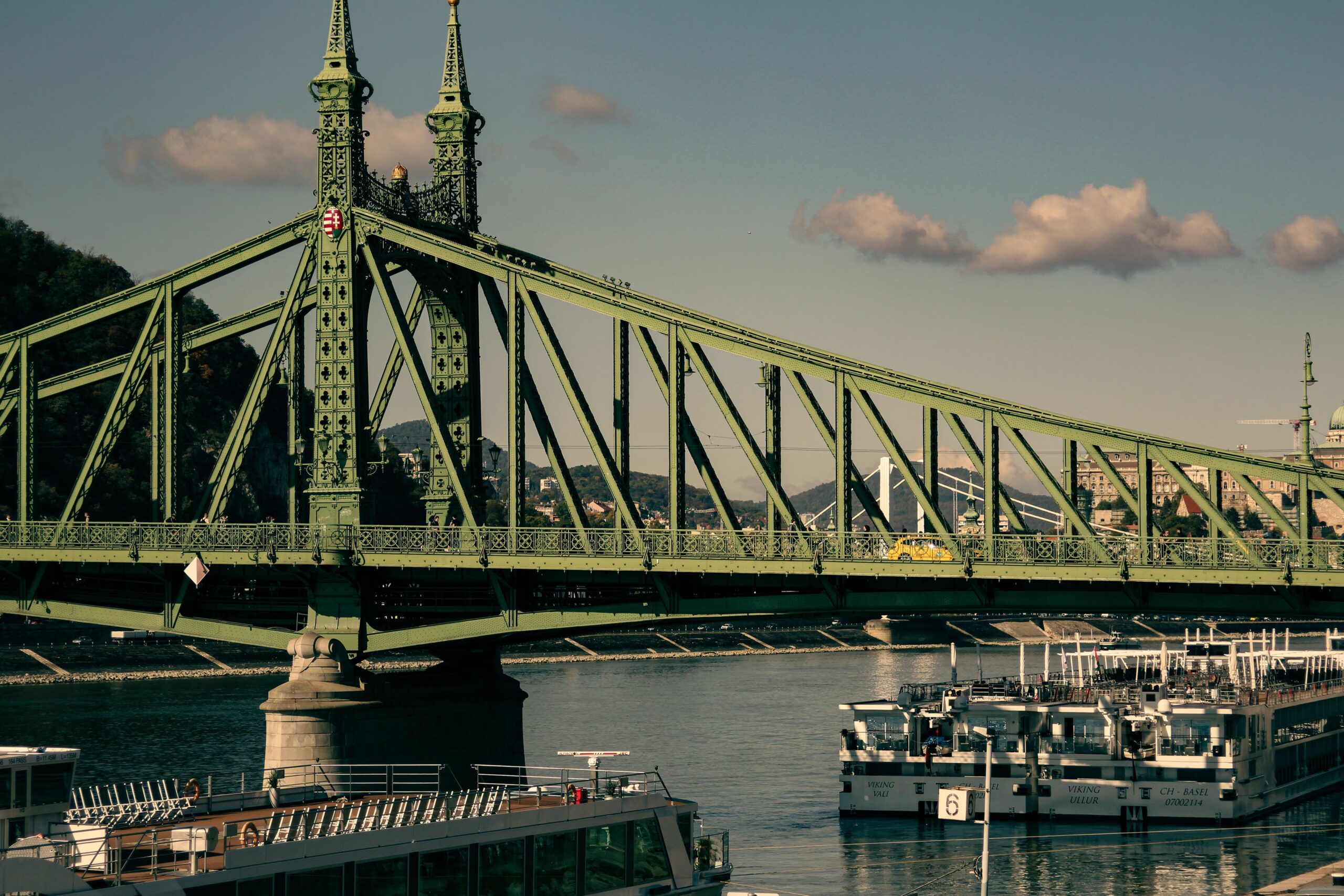
Gellért Hill is less like a conventional park than a steep, wooded hillside threaded with footpaths. Its reward is perspective. Climbs from the riverside near the Liberty Bridge or Elizabeth Bridge lead towards the Citadella and several lookout points, where Budapest spreads out across both banks of the Danube. The panorama is at its clearest on bright mornings or near sunset, though the paths can be busy at those times.
The slopes are greener and more natural in feel than the formal promenades of central Pest. Expect uneven ground, stairs and sections that require a little effort; this is not the best choice for a gentle stroll with limited mobility. The paths also make a good break from the city’s flat centre, especially after a visit to the nearby Gellért Thermal Bath.
For walkers mapping out a route that includes the hill, riverfront and central landmarks, a practical Budapest walking tour guide can help connect the major sights without needless backtracking. Pack a light layer, as the exposed viewpoints can be noticeably windier than the streets below.
Kopaszi-gát and the modern south-side waterfront
Kopaszi-gát, on the Pest side south of the centre, has become one of the city’s favourite waterside green spaces. The park runs along a sheltered branch of the Danube near the newer BudaPart development, with lawns, young trees, walking paths and places to sit close to the water. It feels contemporary rather than historic, and that is part of its appeal.
On a sunny day, locals come here for a relaxed lunch, coffee or an early-evening walk. Restaurants and cafés are nearby, but the setting works just as well for a simple picnic. The park is farther from the classic sightseeing circuit, so it suits visitors staying in the south of Buda or Pest, as well as anyone looking for a less tourist-heavy afternoon.
Reach it by public transport and allow enough time to enjoy the riverbank rather than treating it as a quick detour. Budapest’s ticket system is straightforward once understood; this overview of Budapest public transport tickets and travel tips is useful before heading beyond the central districts.
Smaller parks for a break between sights
Not every worthwhile green space requires a dedicated trip. Károlyi Garden, close to Ferenciek tere, is a compact, tidy park with benches, flowerbeds and a local neighbourhood feel. It is a good pause during a walk between the Inner City and the Hungarian National Museum. Its enclosed layout gives it a calmer atmosphere than the surrounding streets.
Liberty Square, near Parliament and St. Stephen’s Basilica, is more square than park, but its lawns and trees make it an agreeable place to stop while exploring the north end of downtown Pest. The area is well placed for food afterwards. Retro Lángos Budapest, at Bajcsy-Zsilinszky út 25. and Vécsey utca 3., is nearby and serves traditional, gluten-free, vegan and plant-based lángos options, useful for a quick Hungarian street-food meal after a park walk.
On the Buda side, Tabán Park stretches below Castle Hill in a gentle, open slope. It is quieter than the castle district above and has a pleasingly residential feel. Walk through it on the way between Gellért Hill and the Castle District, particularly in spring when the trees soften the hill’s urban edges.
How to enjoy Budapest parks in every season
Budapest parks are most animated between April and October, when picnics, outdoor exercise and café terraces spill into the green spaces. Summer afternoons can be hot, so plan longer walks for morning or later in the day and carry drinking water. Shade is plentiful in City Park and Margaret Island, while Gellért Hill’s viewpoints are more exposed.
Autumn brings colour to the larger parks and makes walking particularly comfortable. Winter is quieter but still rewarding: City Park’s skating rink creates a festive destination, and a brisk Margaret Island walk can be followed by a thermal bath. Spring arrives quickly in the lawns and flowering trees, although rain showers are common enough to make a waterproof layer sensible.
The simple rule is to use Budapest parks as locals do: not as a checklist, but as breathing room between the city’s more crowded sights. A few unplanned minutes on a bench beside the Danube, under City Park’s old trees or on a Tabán hillside can become one of the most memorable parts of a Budapest day.